
Category: Uncategorized

  • In Defense of Sunlight: A New Book Adds More Heat to the Sun Exposure Debate

    In Defense of Sunlight: A New Book Adds More Heat to the Sun Exposure Debate

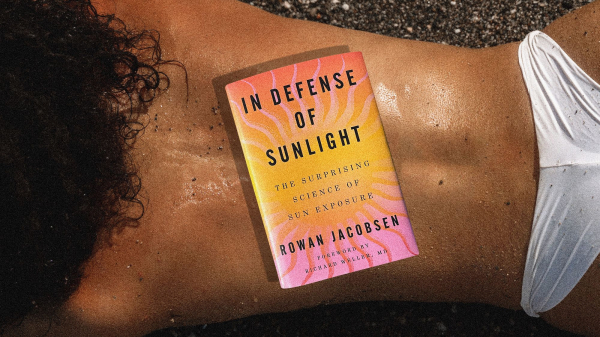
    rowan jacobsen's book in defense of sunlight on the back of a woman laying out in the sunPhoto: Adobe Stock; Kara McGrathSave StorySave this storySave StorySave this story

    “Get sun. Not too much. Go outside.” The Pollanian thesis of Rowan Jacobsen’s new book, In Defense of Sunlight, sounds reasonable enough. Parents everywhere have been peeling their children—and frankly themselves—away from screens and sending them out into the sun since those screens have been invented. “Touching grass” has become an aspirational activity.

    “I wrote the book because I thought we were getting to a point where our avoidance of the sun had gone too far,” Jacobsen told me recently, while we sat on a bench in Cobble Hill Park in Brooklyn, a Callery pear tree providing shade on one of the first warm, sunny days this spring. (I was testing the new SPF 30 from Peach & Lily; Jacobsen was sunscreen-free.) “People were being told to apply sunscreen every two hours in the middle of winter when they were working indoors.”

    I first learned of Jacobsen’s work in 2024, when he wrote an article for The Atlantic called “Against Sunscreen Absolutism.” The story was in praise of Australia’s then-recently-revised sun safety guidelines, which split the population into three groups and offered different SPF guidelines for each: People with pale skin and/or additional risk factors for skin cancer should keep wearing sunscreen every day, those with “olive or pale-brown skin” should only use it if the UV Index was above 3, and those with the deepest skin tones only need sunscreen for long beach days and other excursions that would lead to spending hours in the bright sunlight. “Yes, UV rays cause skin cancer, but for some, too much shade can be just as harmful as too much sun,” Jacobsen wrote at the time.

    This story went viral in the very specific group chats I’m privy to as a beauty editor. Dermatologists felt this guy was trying to undo all the hard work they’d put into convincing people to wear sunscreen as a preventative health measure. The American Academy of Dermatologists (AAD) even released a formal statement saying Jacobsen’s article “contains misleading information that may discourage the public from using sun protection, thereby increasing their risk of skin cancer.” I also issued a formal response in this very publication, acknowledging that sunscreen evangelists can be a bit dramatic (no, I don’t actually think I need to apply SPF every two hours in the middle of January when I have no plans to leave my house), but also that being extreme can seem necessary to dermatologists who struggle to get their patients to use sunscreen at all.

    Two years later, the general public only seems less convinced that sunscreen is a useful health care tool and more certain that they should be availing themselves of regular UV exposure. Tanning is on the rise, especially among Gens Z and Alpha although our current Boomer health secretary is also a fan. People on TikTok are sharing their “get ready to lay out with me” routines, and many more are tracking the UV Index to make sure they’re outside at peak hours for skin-darkening sun damage. Invasive melanoma rates have generally increased since the 1970s, and a recent study by the American Academy of Dermatology found that more than 20% of Gen Z respondents prioritized getting a tan over protecting their skin. Folks of a certain mindset are claiming that, actually, the sun is good and it’s sunscreen and sunglasses that are making you sick. The Centers for Disease Control and Prevention (CDC) has reported that only 12% of men and 30% of women always use sunscreen if they’re going to be outside for more than an hour on a sunny day. In sun-adjacent news, the FDA recently blocked a bill that would have banned the use of tanning beds for anyone under 18. It would seem that there are plenty of folks—some of them with much public-health power—embracing UV rays in full force.

    So do we really need to be defending the sun in 2026? Jacobsen is quick to clarify that he’s not in the anti-sunscreen, get-ready-to-lay-out-with-him camp, but also argues there’s no need to panic about our culture’s current wave of UV enthusiasm. His book is a tight 199 pages (268 if you count the glossary, resources, notes, and index at the end) and cites nearly as many studies—many published in peer-reviewed journals like the Journal of the American Medical Association, The Lancet, and even the Journal of the American Academy of Dermatology—that point toward prolonged sun avoidance being quite dangerous.

    “Sun deprivation was linked to heart attack, stroke, diabetes, dementia, depression, Parkinson’s, myopia, respiratory infections, certain cancers, and autoimmune conditions such as multiple sclerosis and inflammatory bowel disease,” he writes in the introduction. “That evidence had been showing up in various observational studies for decades, but it had been growing stronger as the tools got better.” At one point, he cites a study published in the Journal of Internal Medicine that found nonsmokers who avoided the sun had about the same life expectancy as smokers who embraced the sun. “Avoidance of sun exposure seems to be a risk factor of magnitude similar to smoking in terms of life expectancy,” the authors concluded.

    “Sun deprivation” isn't an officially defined term; most of the studies Jacobsen cites look at self-reported time spent in (or avoiding) the sun alongside vitamin D levels and health outcomes. Jacobsen tells me his "not official nor a prescription, just one informed guy’s back-of-the-envelope rubric" is that you're probably “deprived” if you're not getting enough sun to maintain a vitamin D level of 20 ng/ml or above (without supplementation). The amount of time you'd need to spend outside to reach those levels will depend on the weather, season, your skin tone, and location. “But as a general rule, it’s never about getting lots of sunlight, it’s about making sure you get more than none,” he says.

    On the flip side, spending some time in the sun is linked with, well, less of all the risks mentioned above: less depression, lower blood pressure, a lower risk of diabetes, enhanced wound healing, less heart disease, better mental health, less fatigue, fewer autoimmune disorders…essentially, being outside seems to be quite good for you. It used to be widely accepted that this was because UV rays help your body produce vitamin D. But, Jacobsen and many scientists now argue, if it was just a vitamin D thing, then you should be able to pop a pill and stay inside forever. Instead, more recent studies have found that, while vitamin D supplements do, indeed, raise vitamin D levels, those artificially-achieved higher levels don’t necessarily correlate with better health outcomes.

    “They basically set the recommendations for the palest people, assuming everyone else could do that too and it wouldn’t cause any harm.”

    It seems that the sun provides some special sauce when it comes to human health, though the exact mechanism behind its benefits is still being studied. The nitric oxide we produce when UV rays hit our skin probably plays a role; the low levels of inflammation created by the sun may as well. To be clear, there is still zero science that recommends excessive amounts of unprotected sun exposure; 15 minutes a day seems to be plenty. Jacobsen compares it to allergies: Children who are introduced to small amounts of peanuts or exposed to microbes on farms are less likely to develop allergies and asthma as they grow up.

    Jacobsen believes the messaging about sun protection has been so loud because the organizations behind it—like the Skin Cancer Foundation and the AAD—are well-funded enough to be very effective at achieving their goals, which is to spread the word about the risk of skin cancer. “There are no bad guys in this story,” he says. “Everybody is doing their job. But in the sciences now, your job tends to be very specialized.” Dermatologists care about skin cancer above all else. Cardiologists care about heart disease above all else. Neither doctor is more or less right in their convictions, but, when assessing risk, a human being must take into account all of the things that might kill them.

    For its part, the AAD is still not on board with Jacobsen’s point of view. In a statement sent to Allure, the organization’s current president, Murad Alam, MD, said, “In Defense of Sunlight: The Surprising Science of Sun Exposure, seeks to undermine long established public health guidance aimed at preventing skin cancer, the most common cancer in the U.S.” Dr. Alam feels that the research Jacobsen cites is “weak evidence” that sunlight may provide health benefits. “Many of the claims in this book are inadequately supported by low-level evidence, a single supportive paper, or the personal opinions of one doctor,” he wrote. “On the other hand, the science linking unprotected sun exposure to skin cancers, including melanoma, is longstanding and well-established.”

    “Many of the claims in this book are inadequately supported by low-level evidence… on the other hand, the science linking unprotected sun exposure to skin cancers, including melanoma, is longstanding and well-established.”

    Jacobsen is a science journalist. He does not have a medical degree in any specialty. He also doesn’t dispute the evidence that unprotected sun exposure leads to skin cancer and recommends wearing sunscreen throughout the book, as well as during our interview. But after nine years of research, reviewing hundreds of studies, and interviewing dozens of doctors and scientists, he’s concluded that a risk of skin cancer should not be anyone’s primary concern within the grand scheme of health conditions. “Globally, skin cancer doesn’t even make the list of 40 deadliest killers,” he writes in this new book, noting the gulf between its 120,000 annual deaths compared to the 20 million from cardiovascular disease and 10 million from other forms of cancer. Another anecdote that stuck with me: "When [dermatologist Richard Weller, MD] and his graduate student ran the numbers [from the UK Biobank dataset], they found that in the 15 years of tracking, a total of 40 people had died from skin cancer attributable to too much UV light, while 2,982 people had died from diseases attributable to a deficiency of sunlight." Of course, while skin cancer is far from the deadliest of cancers, it is—as the AAD points out—the most common in the U.S. And treating it often involves painful procedures and surgeries that can be disfiguring.

    This relax-about-skin-cancer approach, Jacobsen believes, particularly applies for people with darker skin tones, who have been beholden to medical guidelines developed primarily for white folks. “They basically set the recommendations for the palest people, assuming that everyone else could just do that too and it wouldn’t cause any harm,” he told me. “But it looks like it probably does.” Per his reporting, the diseases that are correlated with low sun exposure—like cardiovascular disease and diabetes—disproportionately affect Black people, while skin cancer remains relatively rare for the demographic. Jacobsen calls for an end to blanket guidelines and advocates for individualized sun safety routines recommended by an individual’s doctor that take skin tone and other risk factors into account.

    This is a logical argument, but unfortunately we are not living in logical times. While the book may be about sunlight on the surface, all I could think about while reading it was the difficulty of using nuance in public health messaging. Take sunscreen, one example discussed extensively in the book and across social media. Misinformation on the topic has gotten extremely widespread. This year, the AAD found that “more than 16 million adults report reducing or stopping sunscreen use because of online claims.” Last month, even a national news organization ran with this headline: Buyer beware of sunscreens: New report finds few meet safety standards. The story cited only the EWG, an activist group many doctors and scientists see as a biased source.

    Jacobsen, for his part, is not on the side of the anti-SPF influencers. “Everyone wants to make [my book] a battle against sunscreen,” Jacobsen says. “Sunscreen is better than burning,” he continues. “Every expert I’ve talked to agrees that burning is bad. If sunscreen is going to help you avoid burning, great.” His own sun-protection routine seems to align with the well-known best practices Dr. Alam reiterated in the AAD’s statement to Allure: “While incidental and occasional sun exposure is common and unavoidable, given the known risks of sun exposure and skin cancer, it is important that, when possible, we protect ourselves in the sun by seeking shade, wearing protective clothing, and applying a broad-spectrum, water-resistant sunscreen with an SPF 30 or higher to all skin not covered by clothing.”

    Jacobsen says he wears sunscreen anytime he’s worried he might burn, but prefers to wear long sleeve shirts and broad brim hats to prevent overexposure. Plus, “I don’t bask in the sun for hours. I get a lot of incidental sun exposure going about my day, or swimming, but I get bored just lying on the beach for too long.” He’s not loyal to any particular SPF brand; he just looks for sunscreens with broad-spectrum coverage, which, as far as chemical filters go, typically means avobenzone in the U.S. (though we finally—after 27 years—got a new option this month). Jacobsen acknowledges the concerns about ingredients in sunscreen but ultimately believes the risk is low: “I think of it as a great tool to help people spend more time outside,” he says. “But while I think the risks from chemical sunscreens are minimal, the risks from hats and shirts are lower still,” he says of his own protection habits.

    This is a logical argument, but unfortunately we are not living in logical times.

    The history of sunscreen is certainly riddled with its own dark spots. One of the earliest products was Ambre Solaire, introduced in 1935 by the founder of L’Oréal. The first version was a tanning oil with benzyl salicylate that promised a safer tan but ultimately had extremely low SPF (a term that wasn’t introduced until 1974). As Jacobsen wrote in In Defense of Sunlight, the original chemical filters in commercially available sunscreens, like the aforementioned benzyl salicylate, only blocked out UVB rays, meaning they largely prevented burns but—because UVA rays were still getting through—people were still getting skin cancer. Scientists recognized this correlation and started to sound the alarm: In 1990, the New York Times published a story titled “Theory Hints Sunscreens Raise Melanoma Risks,” which outlined the theory of two researchers who believed that the UVB-blocking sunscreens gave people a false sense of security. Those people, they speculated, spent more time in the sun, therefore soaking their skin in more melanoma-causing UVA rays.

    Despite the fact that broad-spectrum sunscreens, which block out both UVA and UVB, have been easy to buy for over 40 years, perhaps this NYT headline and others like it are where our nuanced understanding of sun exposure went out the window. (Much like what “Hormone Replacement Therapy Linked to Breast Cancer and Heart Risks” did in 2002 for menopausal women’s access to the medications that were protecting their hearts, bones, and minds. Dozens of studies since have shown that the benefits outweigh the risks.)

    Even the studies that call insufficient sun exposure a public health issue recommend a daily maximum of 30 unprotected minutes.

    People still claim that sunscreen causes cancer, though now the accusation is typically linked to concerns about the ingredients. The whole benzene contamination situation in 2021 did not help sunscreen’s reputation. The dose makes the poison, and while Jacobsen worries that those “reapply-every-two-hours-even-inside-even-in-winter” recommendations could be increasing the sunscreen dose to a concerning amount, again, the research he did for this book leads him to believe the ingredient risk is still quite low and getting lower with each new advancement in filter technology.

    “I definitely wouldn’t want people to have the takeaway message [of the book] to be, ‘I can do anything I want!’” with regards to sun exposure, Jacobsen says. He wishes more countries would move toward the newer Australian guidelines and its three “levels” of sunscreen recommendations. Even the studies that call insufficient sun exposure a public health issue recommend a daily maximum of 30 unprotected minutes in the sun.

    But how do we get to a point where the general public is capable of understanding nuance in health recommendations? Well, for one, our health care system could, to put it mildly, use some work. If everyone actually had access to a medical team who could help them navigate all of this complicated science to craft a plan that works best for them, we wouldn’t need to rely on influencers with vaguely professional sounding backgrounds sharing information (misinformation?) for free.

    Since that doesn’t seem in the cards anytime soon, I asked Jacobsen if the experts he spoke with for the book had any ideas. “Not really. That messaging is not their specialty or their strength,” he says. “They don’t even want to think about it really. They just want to do their research and talk to individual patients.” I asked Julian Sass, a cosmetic chemist with a focus on sunscreen and a background in public health education, if he could think of any effective public health messaging that had a more nuanced take than the “all or nothing” language we see around things like sun exposure, smoking, and drinking while pregnant. “Not in an American context, no,” he says. “There are some things that have worked with at-risk populations utilizing screening/medications against diseases that disproportionately affect their communities, but I can't immediately think of any ‘nuanced’ public health messaging that has been effective.” (Some examples he gives are men who have sex with men utilizing PrEP, breast cancer screenings for older women, and prostate cancer screenings for older men.) He also pointed back to the CDC data about how few people are wearing sunscreen every day anyway. “There aren't enough people wearing it in the first place to necessitate any kind of nuance,” Sass says.

    Public health guidelines are about sharing the best advice science is able to offer to the general population—knowing full well that the rules don’t apply to everyone. We tell people to never smoke, but know a couple cigarettes a year is not going to kill you. We tell pregnant people to avoid even a drop of alcohol at all costs, although there are parents who have a healthy baby despite drinking for the first five months of pregnancy when they didn’t realize they were pregnant. But the most extreme recommendation is considered the best one in all of these cases because you give someone a cigarette… they might come to light up a pack a day with it. A pregnant person’s celebratory champagne could slide into a nightly gimlet. And give people an inch of wiggle room on sunscreen reapplication? Well, they could run a skin-exposed mile in the mid-day sun with it

    While influencers who say “do your own research” often mean “watch my videos and buy my products,” it is good advice as long as your research involves examining multiple studies done by experts in the relevant field. With In Defense of Sunlight, Jacobsen has compiled compelling arguments for getting outside. Like, did you know research shows that modern hunter-gatherer tribes who spend most of the day outside seem to physically require fewer hours of sleep than us office workers? He has also acknowledged the risks of raw dogging UV rays—namely skin cancer and photoaging. At the very least, the book will convince you to start your mornings with a stroll instead of a doom-scroll, which I think every doctor—even dermatologists—would co-sign. Just make sure to put on your sunscreen first.

  • 9 Best Concealers for Dark Spots That Won’t Cake by Midday

    9 Best Concealers for Dark Spots That Won’t Cake by Midday

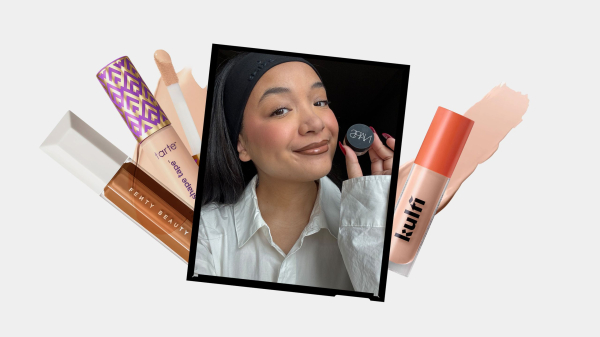
    Image may contain Head Person Face Photography Portrait Cosmetics Lipstick and AdultSave StorySave this storySave StorySave this story

    The best concealers for dark spots do more than simply cover up marks: They correct, protect, and in many cases, actively improve the skin beneath the makeup. Whether you're dealing with post-acne marks, sun-induced hyperpigmentation, or stubborn undereye circles that no amount of sleep (or eye cream) seems to fix, the right concealer can make all the difference. But not all formulas are created equal, and knowing what to look for is half the battle.

    Our Top Concealers for Dark Spots

    • Best Overall: Tarte Shape Tape Concealer, $32
    • Best Full-Coverage: Estée Lauder Double Wear Stay-in-Place 24-Hour Concealer, $38
    • Best Medium-Coverage: Kulfi Main Match Concealer, $26
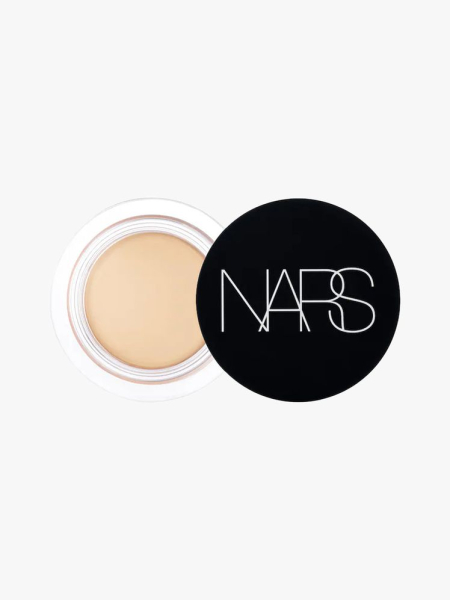
    • Best Natural Finish: Nars Soft Matte Complete Concealer, $36
    • Best for Dark Circles: MAC Studio Fix 36HR Smooth Angles Hydrating Concealer, $30

    Frequently Asked QuestionsAccordionItemContainerButtonLargeChevron

    • What’s the best application technique for using concealer on dark spots or hyperpigmentation?
    • What should you look for when shopping for full coverage concealers?
    • Meet the experts
    • How we test and review products
    • Our staff and testers

    Coverage is the starting point. Full coverage is ideal for deeper discoloration, while a buildable medium lends a natural-looking finish. But the formulation ultimately determines performance. Ingredients like hyaluronic acid, caffeine, peptides, and brighteners such as licorice root extract and vitamin C help improve skin over time. Finish matters, too: A matte formula offers longevity and oil control, while a dewy finish keeps skin looking fresh and dimensional.

    Ahead, these nine dark spot concealers are editor- and makeup artist-approved and cover every skin tone, type, and concern.

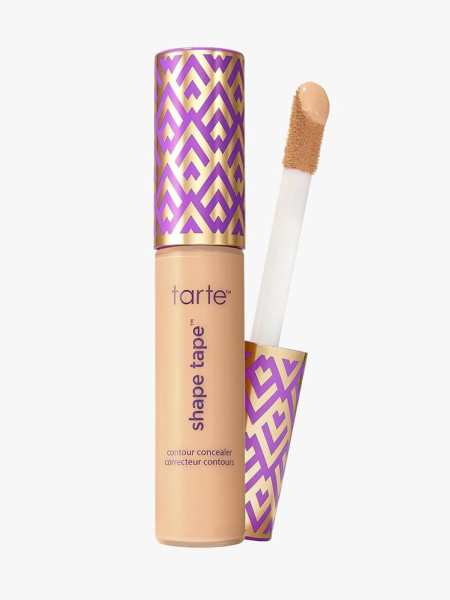
    Best Overall: Tarte Shape Tape Concealer

    Tarte Shape Tape Matte Concealer in branded component on a light gray backgroundSave to wishlistSave to wishlist

    Tarte

    Shape Tape Concealer

    $32 $30 (6% off)

    Amazon

    $32

    Sephora

    $32

    Ulta Beauty

    Allure editorial assistant Jennet Jusu applying the Tarte Shape Tape Concealer

    Jennet Jusu

    Why we love it: Tarte’s Shape Tape Concealer keeps coverage smooth and even, with no caking, creasing, or fading all day. It has a matte finish, since a radiant link could inadvertently draw attention to the spot. The waterproof formula is built around licorice root extract, a natural brightener and color corrector that works directly on dark spots and discoloration to help even tone over time. Shea and mango butters, along with olive oil, work in tandem to soften, nourish, and condition the skin beneath all that coverage, preventing the tight, dry feeling that heavier matte compositions can leave behind. Plus, the jumbo applicator makes targeted application on dark spots, blemishes, and under-eye shadows quick and precise.

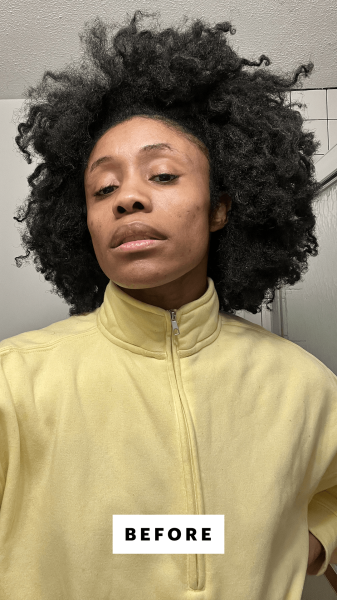
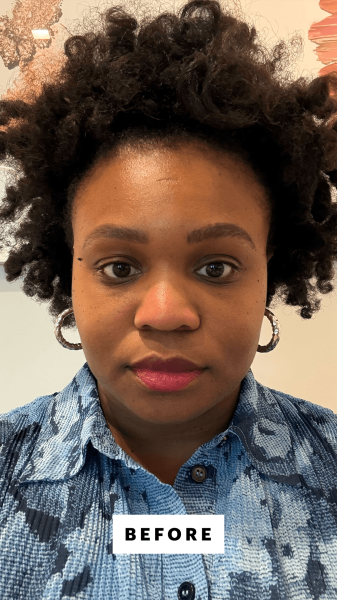
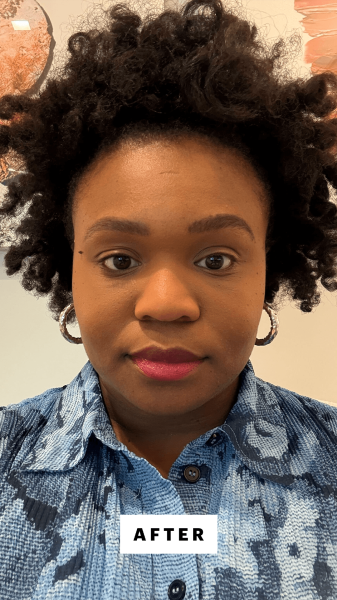
    Jusu before applying the Tarte Shape Tape Concealer

    Jusu before applying the Tarte Shape Tape Concealer

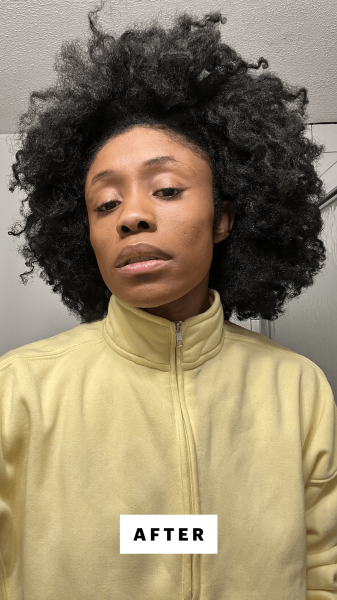
    Jennet JusuJusu after applying the Tarte Shape Tape Concealer

    Jusu after applying the Tarte Shape Tape Concealer

    Jennet Jusu

    Tester feedback from editorial assistant Jennet Jusu

    AccordionItemContainerButtonLargeChevron

    “I use Tarte Shape Tape Radiant Concealer in 47H (Tan-Deep Honey) to brighten under my eyes, and the Shape Tape Contour Concealer in 53H (Deep Honey) to cover up hyperpigmentation while subtly contouring for an everyday glow. A little goes a long way, and paired with a touch of blush, it pulls the whole look together effortlessly.” —Jennet Jusu, editorial assistant

    More to know

    AccordionItemContainerButtonLargeChevron

    • Key ingredients: licorice root extract, shea and mango butters, olive oil
    • Shades: 48
    • Finish: matte

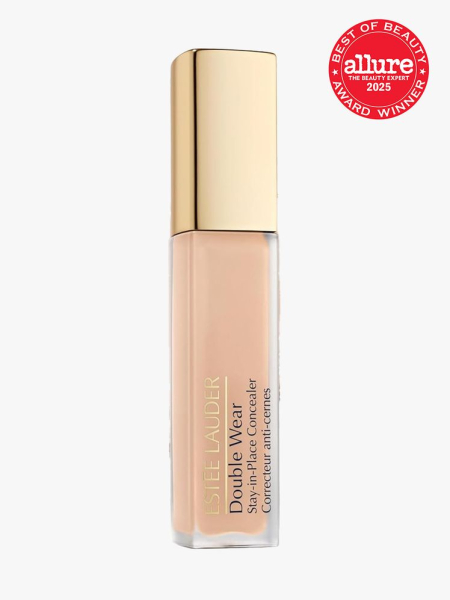
    Best Full-Coverage: Estée Lauder Double Wear Stay-in-Place 24-Hour Concealer

    Estee Lauder Double Wear Stay-in-Place 24-Hour Concealer in branded component with best of beauty 2025 seal on the top right corner on a light gray backgroundSave to wishlistSave to wishlist

    Estée Lauder

    Double Wear Stay-in-Place 24-Hour Concealer

    $38 $30 (21% off)

    Amazon

    $38

    Nordstrom

    $38

    Sephora

    Allure editor in chief Jessica Cruel applying the Estée Lauder Double Wear Stay-in-Place 24-Hour Concealer

    Jessica Cruel

    Why we love it: If your dark spots tend to resurface during the day, try Estée Lauder's Double Wear Stay-in-Place 24-Hour Longwear Concealer, which stays put even on oily skin. In fact, this full-coverage, Best of Beauty-winning formula targets oil at its source with lightweight silica particles that absorb oil and diffuse light to keep shine in check for a full day. That's also thanks in part to a system of flexible polymers that move with the skin throughout the day, allowing for breathable wear that won't crack or shift through long hours or humid conditions. (It's great for mature skin, too, as it won't settle into fine lines.)

    As for dark circles, caffeine (yes, your skin gets a hit, too) helps to depuff and energize the undereye area. The proprietary wand does some heavy lifting on the application front: It has three distinct edges that make it easy to spot-conceal, highlight, or contour.

    Cruel before applying the Este Lauder Double Wear StayinPlace 24Hour Concealer

    Cruel before applying the Estée Lauder Double Wear Stay-in-Place 24-Hour Concealer

    Jessica CruelCruel after applying the Este Lauder Double Wear StayinPlace 24Hour Concealer

    Cruel after applying the Estée Lauder Double Wear Stay-in-Place 24-Hour Concealer

    Jessica Cruel

    Tester feedback from editor in chief Jessica Cruel

    AccordionItemContainerButtonLargeChevron

    “I am a big Double Wear foundation fan, so when this concealer came across my desk, it was a must-try. It is a bit thicker than your average concealer—something the Double Wear formula is known for. What I like is that one swipe erases the panda pads under my eyes. Because it is already full-coverage, I like to use my fingers to blend the formula naturally. That way it's not too cakey or splotchy. I often just use this concealer instead of foundation. This product has a 24-hour claim, but I have never put it to that long of a test. The farthest I have gotten is a marathon day of live TV filming, in-office meetings, and dinner events. It stood up through all of that, which is what a busy woman needs.” —Jessica Cruel, editor in chief
    More to know

    AccordionItemContainerButtonLargeChevron

    • Key ingredients: micro silica spheres, sodium hyaluronate, caffeine
    • Shades: 29
    • Finish: natural

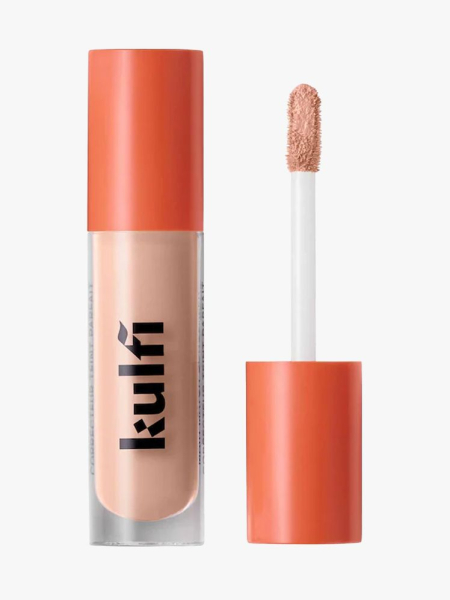
    Best Medium-Coverage: Kulfi Main Match Concealer

    Image may contain: Cosmetics, Lipstick, Dynamite, Weapon, Brush, Device, Tool, and ToothbrushSave to wishlistSave to wishlist

    Kulfi

    Main Match Concealer

    $26

    Sephora

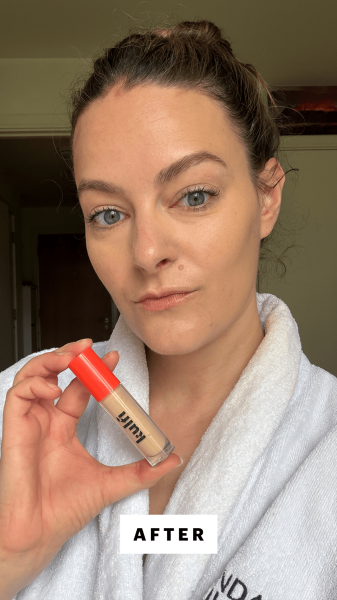
    Allure content director Sophie Panych applying the Kulfi Main Match Concealer

    Sophie Panych

    Why we love it: We trust BIPOC-founded brands to get their shade ranges right, and Kulfi is no exception. The Main Match Concealer is available in 22 shades, with careful consideration for South Asian undertones (which are often breezed by). Staying true to its South Asian roots, key ingredients include amla fruit extract (more commonly known as Indian gooseberry oil), which is rich in vitamin C to brighten bouts of hyperpigmentation and protect skin against free radicals (which can fast-track signs of aging). Also noteworthy: Saffron flower extract boosts moisture, and rosehip oil "helps tone, even, brighten, and reduce the signs of redness in the skin," Los Angeles-based cosmetic chemist Laura Lam-Phaure previously explained.

    Ingredients aside, the formula itself is incredibly lightweight and seamlessly blendable, yet it provides all of the coverage we need—our editors even forego foundation—and the finish is natural and skin-like. Because it's on the hydrating side, it's a dream for dry skin—but combination and oily skin might want to blot on some powder on top for a bit of shine control.

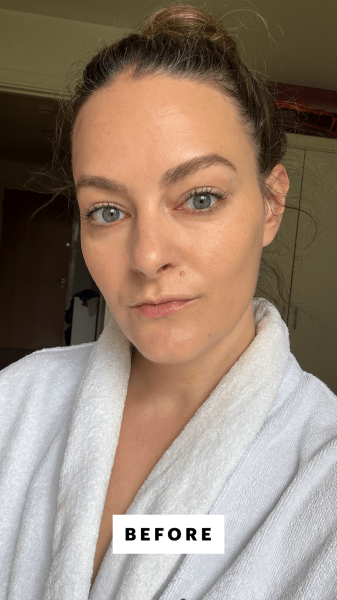
    Panych before applying the Kulfi Main Match Concealer

    Panych before applying the Kulfi Main Match Concealer

    Sophie PanychPanych after applying the Kulfi Main Match Concealer

    Panych after applying the Kulfi Main Match Concealer

    Sophie Panych

    Tester feedback from Allure content director Sophie Panych

    AccordionItemContainerButtonLargeChevron

    "I prefer concealer to foundation, meaning, I typically apply a skin tint or very thin layer of foundation, and let my concealer do all the heavy lifting, i.e., cover up dark spots, soften dark spots, and even out redness in my skin. As I get closer to 40, it's harder to find a full-coverage concealer that doesn't look full-on cakey once it sets, but Kulfi Main Match is one I've found that stays fresh-looking for hours.

    Over my base (again, which is either a very light layer of foundation or skin tint), I apply two dashes under each eye, a dot on either side of my nose, and a dash along my chin. Then, I use a small fluffy brush to buff and blend the formula, which is a great way to keep concealer from settling into creases. It's quite hydrating, so you do want to set it with powder, especially if you have combination-oily skin like mine." —Sophie Panych, content director

    More to know

    AccordionItemContainerButtonLargeChevron

    • Key ingredients: amla fruit extract, saffron flower extract, rosehip extract, licorice
    • Shades: 22
    • Finish: radiant

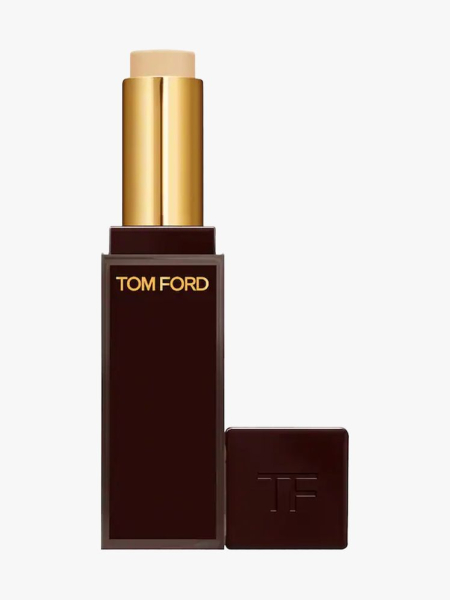
    Best Buildable: Tom Ford Traceless Soft Matte Concealer

    Tom Ford Traceless Soft Matte Concealer in branded component on a light gray backgroundSave to wishlistSave to wishlist

    Tom Ford

    Traceless Soft Matte Concealer

    $60

    Nordstrom

    $60

    Sephora

    $60

    Bluemercury

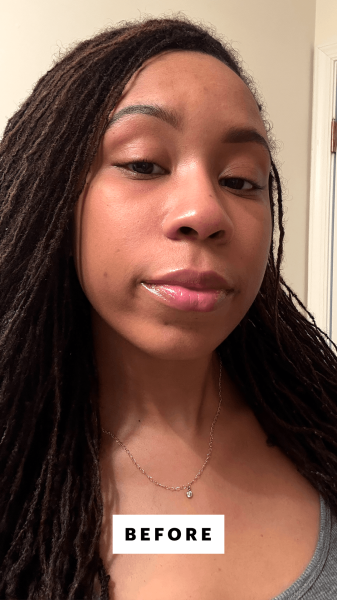
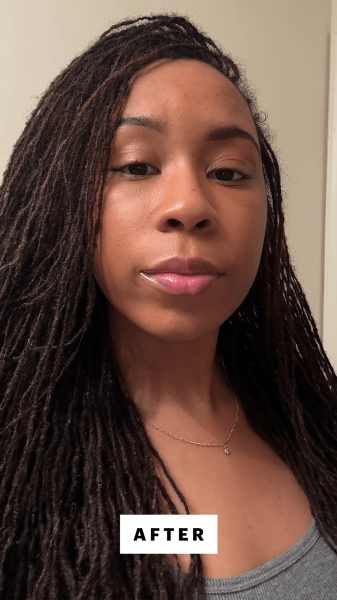
    Allure contributor Jailynn Taylor applying the Tom Ford Traceless Soft Matte Concealer

    Jailynn Taylor

    Why we love it: Concealing dark spots is only half the job for the Tom Ford Traceless Soft Matte Concealer. This foundation stick blends buildable coverage with hours of hydration, thanks to hyaluronic acid that plumps skin from within and visibly softens the look of fine lines both immediately and over time. Spherical powders ensure a silky-smooth, seamless application that never looks cakey or settles into creases, while vitamin E delivers antioxidant protection throughout the day. Like its Best of Beauty-winning foundation counterpart, Traceless offers a natural-matte finish that's waterproof, transfer-resistant, and humidity-proof. Apply directly from the stick for broader coverage, or use a concealer brush to spot-treat blemishes and dark spots with precision.

    Taylor before applying the Tom Ford Traceless Soft Matte Concealer

    Taylor before applying the Tom Ford Traceless Soft Matte Concealer

    Jailynn TaylorTaylor after applying the Tom Ford Traceless Soft Matte Concealer

    Taylor after applying the Tom Ford Traceless Soft Matte Concealer

    Jailynn Taylor

    Tester feedback from contributor Jailynn Taylor

    AccordionItemContainerButtonLargeChevron

    “I'm a pimple picker. I know, I know (hopefully my facialist doesn't read this). But whether I pick or not, I always end up with hyperpigmentation. On days when I don't feel like doing a full face, I reach for the Tom Ford Traceless Soft Matte Concealer in shade 6W0 Terra. One swipe directly on skin, a quick blend with my Beauty Blender or concealer brush (depending on the finish I'm going for), and I'm out the door. Everything is fully covered with a natural finish that's virtually undetectable. And I love how chic and compact it is. It fits in my bag like a lipstick, so touch-ups on the go are a breeze." —Jailynn Taylor, contributor

    More to know

    AccordionItemContainerButtonLargeChevron

    • Key ingredients: hyaluronic acid, vitamin E
    • Shades: 20
    • Finish: matte

    Best Natural Finish: Nars Soft Matte Complete Concealer

    Nars Soft Matte Complete Full Coverage Concealer in branded component on a light gray backgroundSave to wishlistSave to wishlist

    Nars

    Soft Matte Complete Full Coverage Concealer

    $36

    Nordstrom

    $36

    Sephora

    $36

    Ulta Beauty

    Allure social media manager Bianca Richards applying the Nars Soft Matte Complete Full Coverage Concealer

    Bianca Richards

    Why we love it: When a concealer promises full coverage without settling into fine lines, it's a tall order—but the Nars Soft Matte Complete Concealer is built precisely to deliver just that. The oil-free cream formula is anchored by spherical particles that absorb and refract light to blur dark spots, redness, and uneven texture without emphasizing the lines and pores that heavier concealers tend to magnify. Collagen-boosting peptides work over time to plump and smooth the appearance of wrinkles, hyaluronic acid hydrates and softens, and a protective cocktail of vitamins A, C, and E shields skin from daily environmental aggressors.


    Bicoastal makeup artist Tobi Henney has put this concealer through its paces on film sets. "The shade range is incredible," she says, "and the formula will look like skin when applied well." For best results, apply with a damp beauty sponge using a stippling motion rather than sweeping strokes, which can disturb coverage and leave streaks.

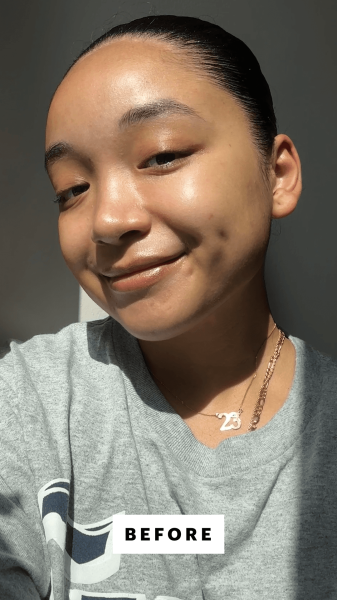
    Allure social media manager Bianca Richards before applying the Nars Soft Matte Complete Full Coverage Concealer

    Richards before applying the Nars Soft Matte Complete Full Coverage Concealer

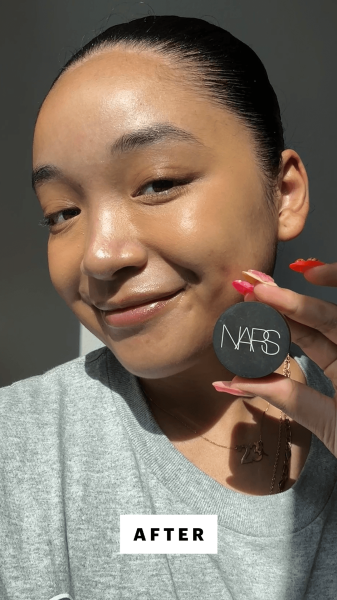
    Bianca RichardsAllure social media manager Bianca Richards after applying the Nars Soft Matte Complete Full Coverage Concealer

    Richards after applying the Nars Soft Matte Complete Full Coverage Concealer

    Bianca Richards

    Tester feedback from social media manager Bianca Richards

    AccordionItemContainerButtonLargeChevron

    “I've been using this concealer since 2016 when it was first introduced to the world! I typically apply it with a brush, dabbing it onto any dark spots and undereyes to create a seamless base. I love how versatile this product is for my skin type. Although my skin leans dry, as long as it’s properly prepped with my hydrating skin-care essentials, this concealer stays put throughout the day. I also reach for it on both minimal-makeup days and full-glam moments because it truly does it all. On lighter days, I dab a bit onto key areas to even out my complexion. When I’m going full beat, I use it as a base to help my other complexion products apply smoothly and seamlessly.” —Bianca Richards, social media manager

    More to know

    AccordionItemContainerButtonLargeChevron

    • Key ingredients: hyaluronic acid, peptides, vitamins A, C, and E
    • Shades: 30
    • Finish: matte

    Best Shade Range: Fenty We're Even Hydrating Longwear Concealer

    Fenty Beauty We're Even Hydrating Longwear Concealer in branded component on a light gray backgroundSave to wishlistSave to wishlist

    Fenty Beauty

    We're Even Hydrating Longwear Concealer

    $34

    Sephora

    $34

    Ulta Beauty

    Allure associate beauty editor Annie Blay-Tettey applying the Fenty We’re Even Hydrating Longwear Concealer

    Annie Blay-Tettey

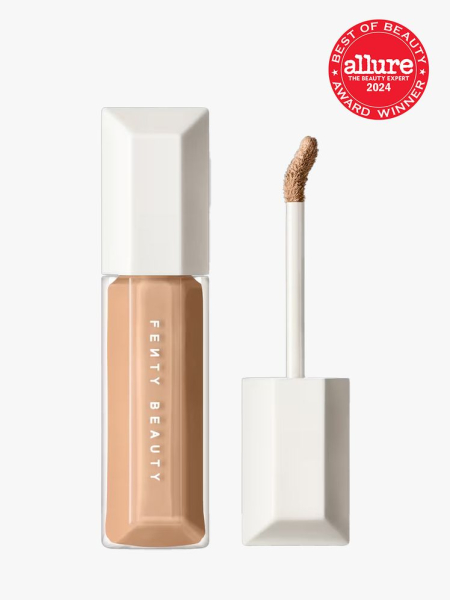
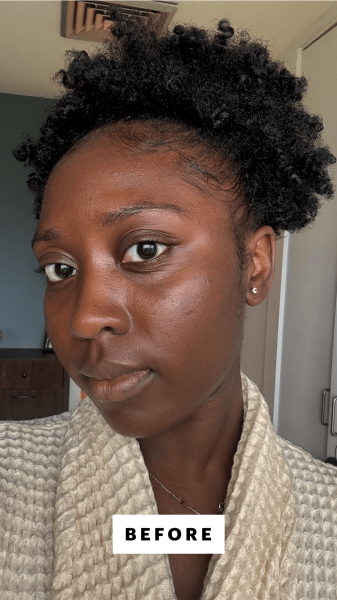
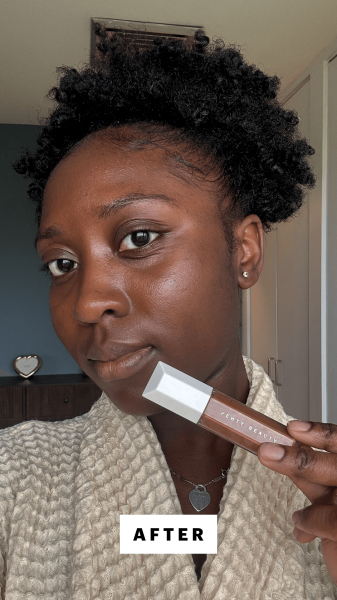
    Why we love it: 50 shades is not a flex every brand can pull off, but for Fenty Beauty, inclusivity has always been at the center of the brand, and the We're Even Hydrating Longwear Concealer delivers both range and a top-tier formula. Split across cool, neutral, and warm undertones, the buildable, medium-coverage liquid melts into skin, making dark spots, discoloration, and under-eye circles virtually disappear.

    The ingredient lineup champions prickly pear cactus extract, which draws moisture into the skin and provides a rich source of vitamin K to support elasticity, while Persian silk tree extract targets signs of fatigue. Sodium hyaluronate rounds things out, hydrating and conditioning skin while you wear it. The formula is also transfer- and waterproof, resisting creasing, fading, sweat, and humidity without settling into fine lines or accentuating texture.

    A selfie of Allure associate beauty editor Annie BlayTettey before applying the Fenty Beauty We're Even Hydrating...

    Blay-Tettey before applying the Fenty Beauty We’re Even Hydrating Longwear Concealer

    Annie Blay-TetteyA selfie of Allure associate beauty editor Annie BlayTettey after applying the Fenty Beauty We're Even Hydrating...

    Blay-Tettey after applying the Fenty Beauty We’re Even Hydrating Longwear Concealer

    Annie Blay-Tettey

    Tester feedback from associate beauty editor Annie Blay-Tettey

    AccordionItemContainerButtonLargeChevron

    “I'm a no-makeup makeup warrior, so a concealer that I can use to hide dark spots—without having to use too much else—is a must in my makeup bag. I've tried a few that have been a miss, but the Fenty Hydrating Longwear Concealer never fails me. A tiny dot goes a long way to even out my complexion—perfect for days I want to enhance my skin without heavy makeup.” —Annie Blay-Tettey, associate beauty editor

    More to know

    AccordionItemContainerButtonLargeChevron

    • Key ingredients: prickly pear cactus extract, Persian silk tree extract, sodium hyaluronate
    • Shades: 50
    • Finish: natural

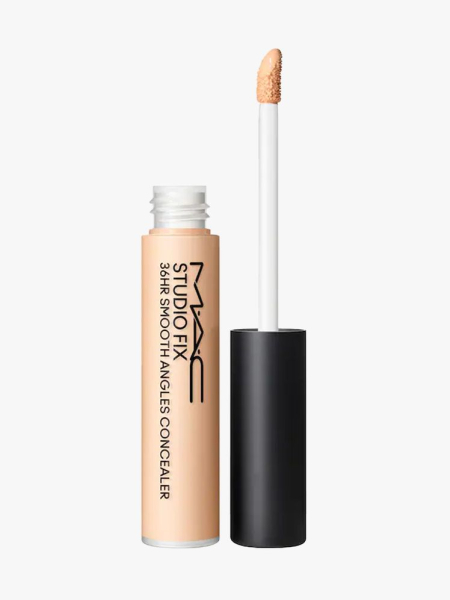
    Best for Dark Circles: MAC Studio Fix 36HR Smooth Angles Hydrating Concealer

    MAC Cosmetics Studio Fix 36HR Smooth Angles Hydrating Concealer in branded component on a light gray backgroundSave to wishlistSave to wishlist

    MAC

    Studio Fix 36HR Smooth Angles Hydrating Concealer

    $30

    Nordstrom

    $30

    Sephora

    $30

    Ulta Beauty

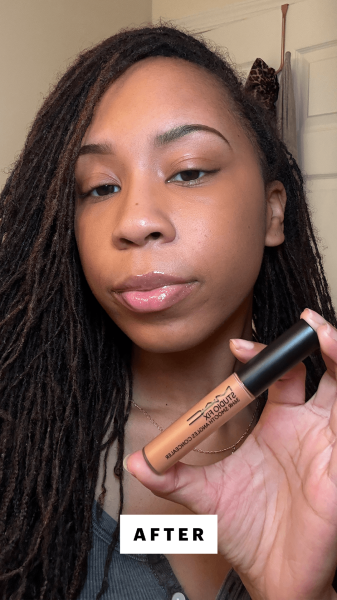
    Taylor applying the MAC Studio Fix 36HR Smooth Angles Hydrating Concealer

    Jailynn Taylor

    Why we love it: Delivering the best of both worlds, MAC's Studio Fix 36HR Smooth Angles Hydrating Concealer offers full coverage and maintains a matte finish without drying out the skin. Most long-wearing formulas sacrifice moisture for staying power, but this one doesn’t: Glycerin hydrates to prevent a dry, cakey look, while jojoba seed oil and olive fruit oil condition the skin throughout wear. Caffeine and algae extract target puffiness and dullness, making dark spots and undereye shadows less pronounced over time. Better yet, the sponge-tip applicator is engineered to reach smaller, hard-to-access areas without pulling or tugging, making it especially useful for precise dark-spot concealment around the nose and inner corners of the eyes.

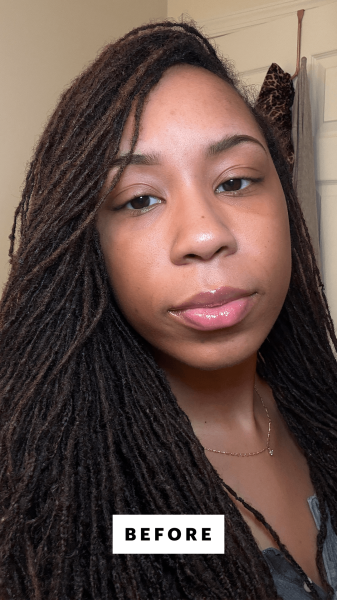
    Taylor before applying the MAC Studio Fix 36HR Smooth Angles Hydrating Concealer

    Taylor before applying the MAC Studio Fix 36HR Smooth Angles Hydrating Concealer

    Jailynn TaylorTaylor after applying the MAC Studio Fix 36HR Smooth Angles Hydrating Concealer

    Taylor after applying the MAC Studio Fix 36HR Smooth Angles Hydrating Concealer

    Jailynn Taylor

    Tester feedback from Taylor

    AccordionItemContainerButtonLargeChevron

    "I deal with post-pimple popping hyperpigmentation, hormonal acne marks, and pretty dark circles, so I reach for this MAC concealer when I need my base all in one shade. The doe-foot applicator lets me go in exactly where I need it, and it blends out so seamlessly it genuinely looks like I have nothing on (no excess shine or dry caking). It lasts all day with zero touch-ups, and all you need is one swipe since it's full coverage." —Jailynn Taylor, contributor

    More to know

    AccordionItemContainerButtonLargeChevron

    • Key ingredients: glycerin, jojoba seed oil, olive fruit oil, sodium hyaluronate, caffeine
    • Shades: 44
    • Finish: matte

    More concealers for dark spots we like

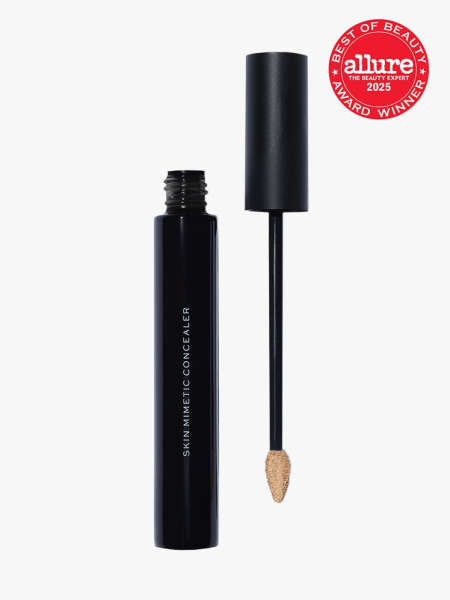
    Best Hydrating: Make Beauty Skin Mimetic Concealer

    Make Beauty Skin Mimetic Concealer in branded black tube next to doe foot applicator cap on light gray background with red Allure Best of Beauty seal in the top right cornerSave to wishlistSave to wishlist

    Make Beauty

    Skin Mimetic Concealer

    $28

    Amazon

    $28

    Revolve

    Why we love it: Lightweight concealer and dark-spot coverage don't always go hand in hand, but the Make Beauty Skin Mimetic Concealer earned its 2025 Allure Best of Beauty Award by managing both with a formula so skin-like it barely registers as makeup. The key is in the skin-mimicking pigments, developed to move, reflect light, and blend the way real skin does. Red algae extract draws moisture deep into the skin while adenosine, a naturally occurring component of skin that supports collagen production, simultaneously smooths, soothes, and reduces the appearance of wrinkles over time.

    Green coffee extract and caffeine work together to target dark circles and puffiness, making this especially effective for under-eye concealing. Henney swears by one technique that elevates the formula entirely: “It's used best when you tap it into the skin with your fingertip,” she says.

    Tester feedback from former content director Kara McGrath

    AccordionItemContainerButtonLargeChevron

    “I only use concealer under my eyes, so I look for formulas that offer enough coverage to hide my perpetual dark circles but won’t settle into my mid-30s fine lines. My ideal concealer also needs to last at least through the workday because I simply do not have the time (or fortitude) to reapply. This one hits all those points, with the bonus of a doe-foot applicator that fits perfectly into the inner corners of my undereyes.” —Kara McGrath, former content director

    More to know

    AccordionItemContainerButtonLargeChevron

    • Key ingredients: red algae extract, adenosine, caffeine
    • Shades: 24
    • Finish: radiant

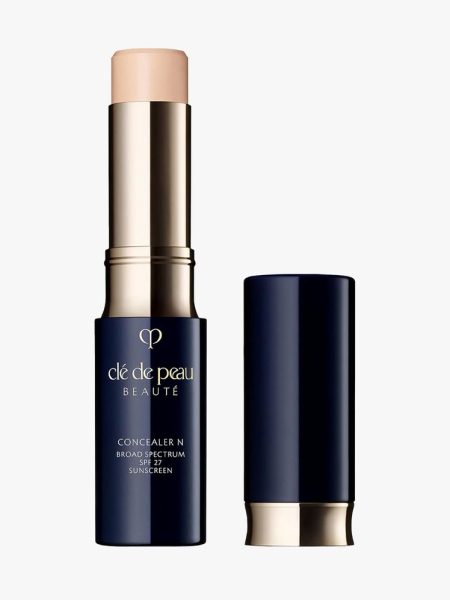
    Best with SPF: Clé de Peau Beauté The Concealer

    Clé de Peau Beauté The Concealer in branded component on a light gray backgroundSave to wishlistSave to wishlist

    Clé de Peau Beauté

    The Concealer

    $77

    Amazon

    $77

    Nordstrom

    Why we love it: Most concealers cover dark spots; the Clé de Peau Beauté Concealer SPF 27 goes a step further with built-in SPF 27 that guards against UV exposure that can deepen and multiply them in the first place. (That said, the American Academy of Dermatology recommends a minimum of SPF 30, so consider the protection here just a nice bonus.) The creamy stick blurs dark spots, redness, and under-eye circles with full coverage that adheres to even raised or textured skin. Hyaluronic acid and argan oil provide continuous hydration and softening while you wear it, while chestnut rosa fruit extract defends against oxidative damage that can worsen dark spots. Henney reaches for this one since it has great coverage and is easy to layer. Plus, she says, “it has staying power, and won’t get too oily and slide [on skin].”

    More to know

    AccordionItemContainerButtonLargeChevron

    • Key ingredients: zingiber aromaticus extract, hyaluronic acid, argan oil
    • Shades: 12
    • Finish: natural

    Frequently Asked Questions

    What’s the best application technique for using concealer on dark spots or hyperpigmentation?

    Start with a heavily pigmented formula, says Henney. (In other words, full coverage is your friend.) From there, she uses a two-step approach that combines precision with blendability. "I usually start by tapping on the product initially with a small makeup brush," she says. Once the product is placed, she switches tools entirely: "To make it flawless, I blend using a makeup sponge." The combination of targeted placement and seamless blending is what keeps coverage looking natural.

    What should you look for when shopping for full coverage concealers?

    A great full-coverage concealer comes down to the right shade and formula. Going slightly lighter in the center and matching your overall skin tone at the outer edges creates a more natural, dimensional result. Beyond shade, the formula itself has to perform. "You want something that can be layered and with strong pigment," says Henney, noting that both qualities become important when covering stubborn discoloration or dark spots, since they require more than one pass.

    Meet the experts

    • Tobi Henney, a makeup artist in LA and NYC

    How we test and review products

    We always enlist a range of testers for our makeup vertical, but hair-care products and tools are another story. While there are certain products that can be used across different hair textures, lengths, curl patterns, thicknesses, colors (natural and unnatural), and needs, hair products are often created with specific consumers in mind. Many are created in order to address a concern (dandruff, breakage, brittleness) or to work most effectively for a specific hair type (4C curls, wavy hair, gray hair). You wouldn’t want to pick up a purple shampoo that’s only been reviewed by someone with, say, auburn hair, or a diffuser that’s never been tested by anyone with curls—right?

    For our review of the best concealers for dark spots, we enlisted the help of multiple editors, writers, contributors, cosmetic chemists, and makeup artists—who have a range of experience studying and using these products. Testers considered performance across four primary categories: efficacy, texture, experience, and formula. For more on what's involved in our reporting, check out our complete reviews process and methodology page.

    Our staff and testers

    A beauty product is a personal purchase. You might be searching for a face cream to address persistent dryness or a new nail product to add to your Sunday self-care routine; you may simply be browsing around for the latest launches to hit the hair market. No matter what you seek or your individual needs and concerns, Allure wants to ensure that you love anything we recommend in our stories. We believe that having a diverse team of writers and editors—in addition to the wide range of outside testers and industry experts we regularly call upon—is essential to reaching that goal.

    After all, can we really say a skin-care product is the “best” for people over 50 if the only testers we’ve solicited opinions from folks who have yet to hit 30? Can we honestly deem a high-end diffuser worthy of your hard-earned cash if it’s never been tested on curls? We’re proud that our staff spans a wide range of ages, skin tones, hair textures, genders, and backgrounds, which means that we are able to fairly assess any beauty product that comes into the beauty closet.

  • Helen Mirren’s Asymmetrical Bixie Cut Is Ready for Summer—See the Photos

    Helen Mirren’s Asymmetrical Bixie Cut Is Ready for Summer—See the Photos

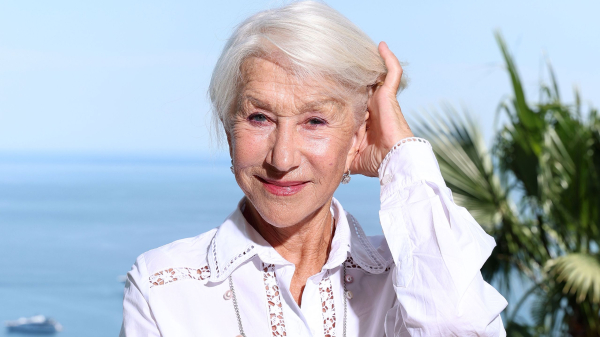
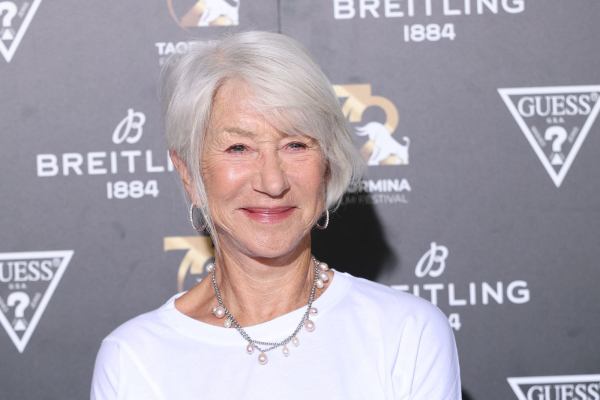
    Helen Mirren poses in a white top and pink skirt at an event in Italy. She has a new short hair cut.Getty ImagesSave StorySave this storySave StorySave this story

    Dame Helen Mirren was ready for a summer refresh—and honestly, after seeing these photos of her breezy new bixie cut, I am too.

    Mirren, who has never shied away from changing up her hairstyle and has even shared that she cuts her own hair with kitchen scissors on occasion, debuted a very cute, very summery new crop at the Taormina Film Festival in Italy. Previously, she'd been wearing her hair in a more traditional bob with bangs, but now it's a whole lot shorter and seems like just the thing for those sticky, sweaty summer days. Now, her silver-white hair is cropped right at the nape of her neck but left longer on one side, just grazing her cheekbone. She wore it parted to that side to emphasize the shape, with a soft, lightweight finish that looked perfect for the sunny Italian setting.

    Helen Mirren wears a white top pearl necklace and has her hair styled in an asymmetrical bixie.Getty Images

    Bixies and pixies of all shapes, sizes, and styles have been having quite a moment the past few years, especially come summertime. They're infinitely customizable to your hair type and texture, not to mention your personal style, whether it's edgy, glamorous, or quirky. And short hair always feels so good once the temperatures climb and the humidity sets in; keeping your neck free allows the cool breeze of a blasting air conditioner to caress your skin.

    Mirren has a lot of fun experimenting with different looks, and we truly never know what she's going to do next. Remember her XXL hair extensions from a few years ago, or her enduringly beloved pastel pink hair color? Shorter lengths are definitely her sweet spot, cut-wise, but she's always game to evolve the cut. Her free-spirited, adventurous attitude toward all things beauty is inspiring, and so is her attitude about age. Last fall, she told Allure that “everything” about being 80 was fabulous. “F*ck it, I'm alive and I'm working and I can drink a glass of wine and I can wear makeup and I can listen to music and I can watch a beautiful sunset and I can go to the theater and I can watch a movie and I can binge Netflix and I can live life. It's a beautiful thing.” Truer words have never been spoken.

    More celebrity beauty news:

    • Even Cindy Crawford Is Tempted to Get a Facelift
    • Chappell Roan Is the New Face of MAC Viva Glam
    • Rihanna Proves a Squared-Off Shape Looks Just as Chic on Short Nails
  • This Fruit-Filled Face Mask Really Makes Your Skin Glow

    This Fruit-Filled Face Mask Really Makes Your Skin Glow

    Image may contain Bottle and Lotion$69 at AceologySave StorySave this storySave StorySave this story

    TL;DR:

    • What it is: An antioxidant-packed face mask
    • What it does: Deep-cleans and brightens skin with five different berries and kaolin clay
    • Who it’s for: Anyone looking for a quick glow with little to no effort

    Although I know most of us would like to forget 2020 (and maybe 2021 and 2022, too), there was some good that came from our time spent in quarantine. Not only did I catch up on my reading list, FaceTime my family more than ever, but I also picked up (and then promptly quit) a few new hobbies. DIY beauty was one of them.

    In the name of budgeting and a little bit of experimentation, I slathered on a few too many face masks made from ingredients found in the bottom of my refrigerator in an effort to give my sad, dull skin a glow. Did it work? Maybe? But after a handful of homemade mixes, I got the ick. Since then, I’ve fully moved on from the DIY world and am back in the land of lab-tested ingredients (I love it here!), which means the only things being slathered on my face are in final packaging and have ingredient labels.

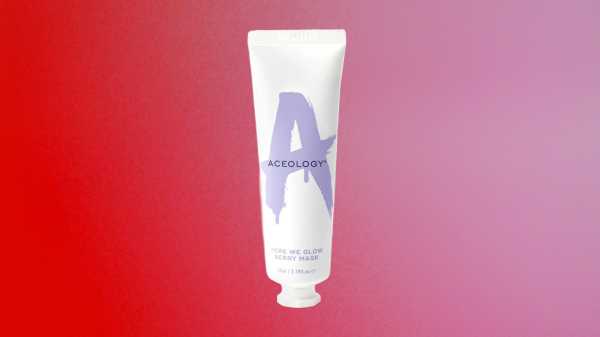
    One of the most recent treatments I’ve tried (and very much enjoyed) is the Aceology Here We Glow Berry Mask. The creamy yogurt look-alike may not be edible, but it certainly offers impressive antioxidant perks, just like the juicy fruits.

    It’s made with kaolin to deep-clean and five different berries to fight free-radical damage (wrinkles, dark spots), so on days when my skin is looking a little lackluster, this is what I reach for.

    Here’s how I use it: After cleansing my skin, I gently slather on a dime- to nickel-sized dollop from my forehead to my chin. Then I grab a spot on my couch, turn on Heated Rivalry (yes, I’m still obsessed months later), and wait for my new, dewy glow to kick in.

    The Aceology Here We Glow Berry Mask was in the June Allure Beauty Box.

    GET THE BOXAceology Here We Glow Berry Mask

    Aceology Here We Glow Berry Mask

    $69 at Aceology$69 at Aceology

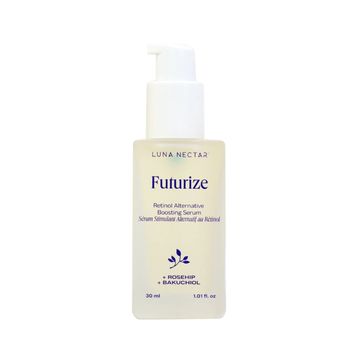
  • Can’t Tolerate Retinol? The Luna Nectar Futurize Botanical Retinol Alternative Boosting Serum Is the Next Best Thing—Review

    Can’t Tolerate Retinol? The Luna Nectar Futurize Botanical Retinol Alternative Boosting Serum Is the Next Best Thing—Review

    Image may contain Bottle Lotion and Cosmetics$49 at Luna NectarSave StorySave this storySave StorySave this story

    TL;DR:

    • What it is: A bakuchiol-based serum
    • What it does: Targets fine lines, firms skin, and smooths texture
    • Who it’s for: Anyone with sensitive skin looking for retinol-like results

    Not every face can tolerate the power of retinol, but most can appreciate its more sensitive, skin-friendly alternatives, like bakuchiol.

    "Bakuchiol is an ingredient derived from the psoralea corylifolia plant, the ‘babchi’ plant,” cosmetic chemist Perry Romanowski previously told Allure. The ingredient “functions similar to a retinol, increasing cell turnover thereby stimulating collagen production and diminishing signs of aging such as fine lines, wrinkles, skin laxity, and overall photodamage,” board-certified dermatologist Sejal Shah, MD, previously told Allure. “It’s also been shown to have antioxidant and anti-inflammatory properties, as well as antibacterial properties.”

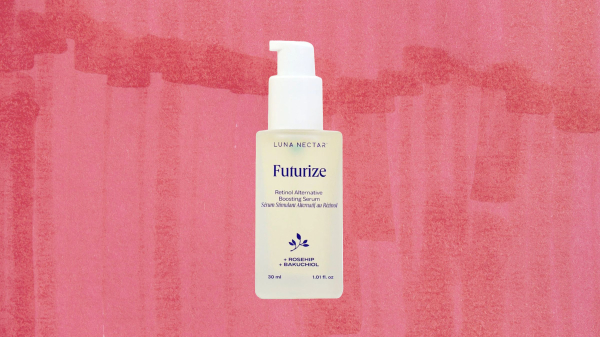
    All this to say, it’s a powerhouse ingredient that doesn’t get enough credit. But in the Luna Nectar Futurize Botanical Retinol Alternative Boosting Serum, it’s the star of the show. So much so, even its name alludes to the standout ingredient. The elixir is also made with hydrating squalane and rosehip seed oils to add extra nourishment to skin while the fine line-fighting is going on.

    Here’s how to use it: At night, after cleansing, pat three drops onto skin (forehead to neck), followed by moisturizer. And in case you need me to remind you, don’t forget to wear sunscreen the next morning!

    The Luna Nectar Futurize Botanical Retinol Alternative Boosting Serum was in the June Allure Beauty Box.

    GET THE BOXLuna Nectar Futurize Botanical Retinol Alternative Boosting Serum

    Luna Nectar Futurize Botanical Retinol Alternative Boosting Serum

    $49 at Luna Nectar$49 at Luna Nectar

  • Rihanna Proves a Squared-Off Shape Looks Just as Chic on Short Nails — See Photos

    Rihanna Proves a Squared-Off Shape Looks Just as Chic on Short Nails — See Photos

    Rihanna posing with long straight hair and a chartreuse topPhoto: Getty ImagesSave StorySave this storySave StorySave this story

    Square nails are often associated with longer lengths because a lot of folks are under the impression that the more blunt shape can make short nails look wider and stubbier, favoring rounded, oval, or squoval shapes for a less-long manicure. But Rihanna isn't a lot of folks—she's currently ignoring conventional wisdom and making short, square nails look like they may be shaping up to be the next big manicure trend.

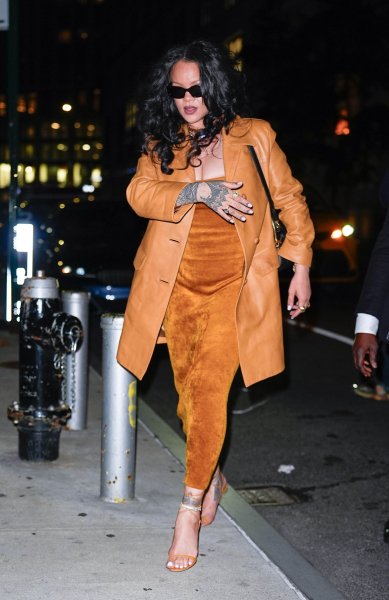
    The singer and entrepreneur was spotted out in New York City on Tuesday night wearing a camel-colored leather jacket over a fuzzy, ribbed dress in the same hue, her voluminous curls cascading around her shoulders. But blink and you'll miss a detail that we immediately clocked: short nails with a straight edge.

    The crisp outline gives the manicure a deliberate, graphic quality, even in the super subtle shade they're painted: a pale, milky off-white. It’s also very much in line with Rihanna's apparent polish preferences as of late: more light, creamy nail colors over bold, chrome finishes or deep vampy shades. She likes it so much, in fact, that she's even wearing a matching pedicure.

    Rihanna walking in NYC wearing a camel leather coat and fuzzy dressPhoto: Getty ImagesRihanna walking in NYC wearing a camel leather coat and fuzzy dressPhoto: Getty Images

    While simple, the look stands out because it reframes short nails as intentional rather than just low-maintenance. The square shape adds structure and attitude, while the milky polish keeps things understated and on-trend. It’s a reminder that nails don’t always need more length, embellishment, or intense color to look cool; sometimes it's just a matter of changing the silhouette to something a little unexpected, taking a shape people think shouldn’t work and wearing it anyway.

  • Taylor Swift’s Soft, Smudged Cat-Eye Liner Is Peak Millennial—See the Photos

    Taylor Swift’s Soft, Smudged Cat-Eye Liner Is Peak Millennial—See the Photos

    Taylor Swift wears a strapless dress and red lipstick. Her hair is in a loose updo.Getty ImagesSave StorySave this storySave StorySave this story

    In the generational battle between Gen Z and millennials, one eyeliner technique remains extremely controversial: the cat-eye. But you know who will never give up her beloved winged liner, no matter what the younger generation may say about it? Taylor Swift! Her dark, perfectly swoopy black liner is as classically “Taylor Swift” as her bangs and red lipstick; she's simply not herself without it!

    But for a recent visit to Broadway to take in the Tony Award-winning play Oh Mary! alongside her fiancé Travis Kelce, Swift swapped her usual precise wings for a softer, more delicate (reference!) take on the beloved liner shape. The musician covered her lids with a shimmery golden shadow, then defined her lashline with smudgy, almost-grungy dark gray liner versus her go-to inky black. But don't worry, the cat-eye was still present and accounted for, just a much lighter version! The wing extended all the way to the tip of Swift's brow, but it looked as though she'd smudged it with her finger to fade the color and give it a more faded and lived-in, indie sleaze kinda vibe. Swift wore a similar tone on her lower lashline, plus a few swipes of mascara. Fresh, pretty peach-toned makeup served as an anchor for the grungier eye makeup.

    Taylor Swift wears a smudged gray cat eye to the play Oh Mary alongside a plum velvet dress.Getty Images

    The lighter gray cat-eye liner wasn't the only thing that felt different about Swift's Oh Mary! makeup. The red lip was also missing, replaced by the muted matte orange tone she's also a big fan of. (Rumor has it it's NARS Original Lipstick in Morocco.) The lip picked up the peach color in her blush and provided an unexpected contrast to her plum velvet slipdress.

    Of course, the real lesson here is that makeup trends come and go, but if you love a certain technique or product even though it's not “popular,” you should go ahead and wear it! There are no rules when it comes to makeup, and honestly, cat-eye liner is forever. Will Swift be wearing flicked-out black liner wings when she walks down the aisle? You better believe it. Then again, she does love a good surprise, so you never know…

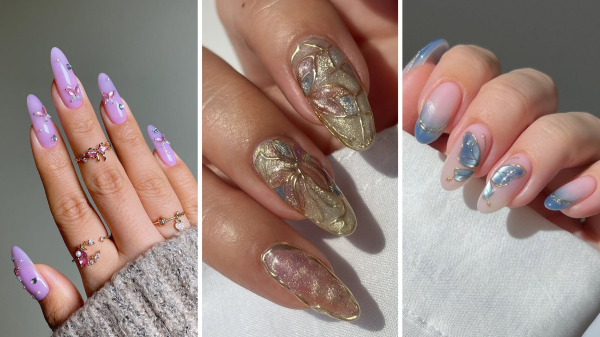
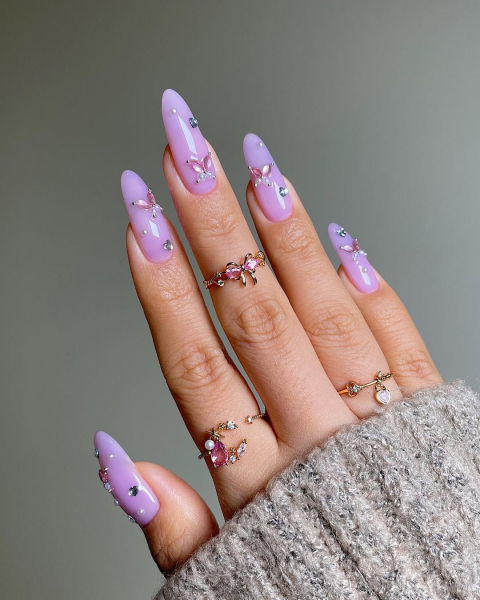
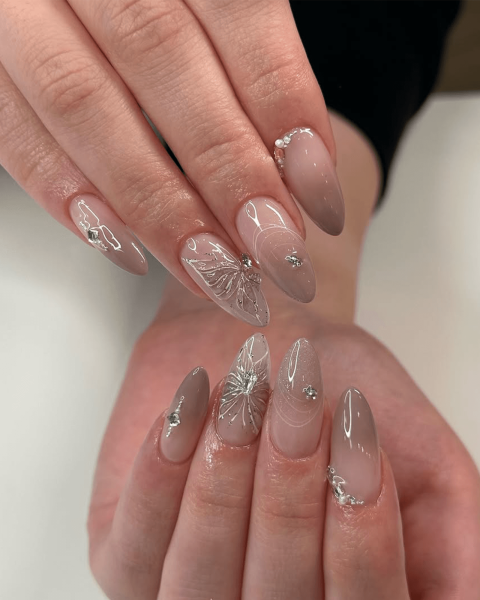
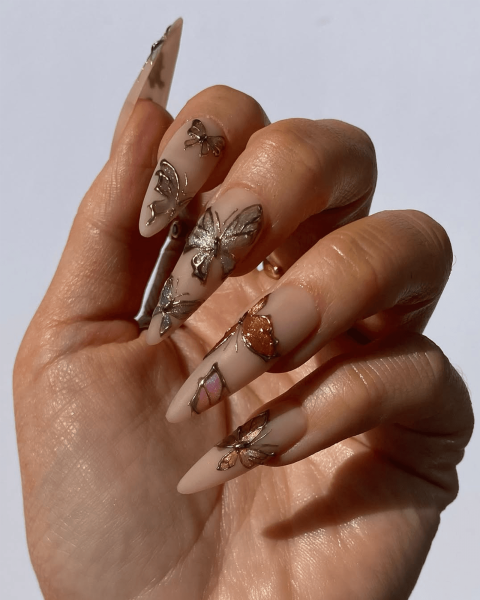
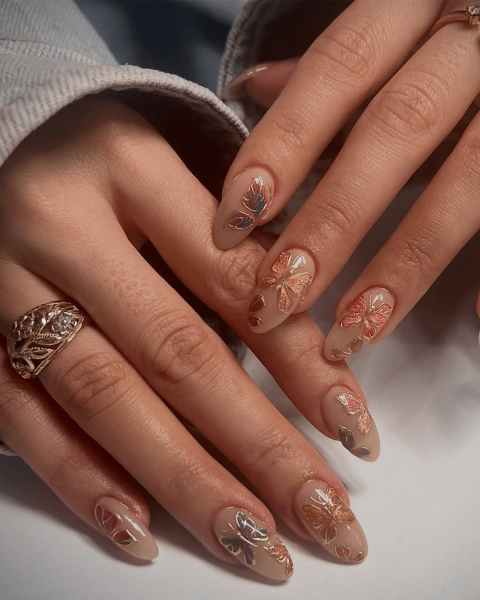
  • Butterfly Nail Designs Add a Magical Touch to Any Manicure

    Butterfly Nail Designs Add a Magical Touch to Any Manicure

    Butterfly NailsCourtesy of @sansungnails, @thecolornook, @jadeandpolished, and @heygreatnailsSave StorySave this storySave StorySave this story

    It’s 2002, and you’re deciding between your pink-and-green butterfly top and your knit striped sweater for a trip to the mall with your friends. You ultimately go with the former, despite already having the winged insect clipped into your hair and bedazzled onto your low-rise jeans. After all, Britney Spears just proved at the Versace show in Milan that when it comes to butterflies, the sky’s the limit.

    Fast forward to today, when we’re going all-in on nostalgic looks, and butterflies are floating across our feeds. According to Spate, a beauty trend-forecasting platform, people are on the hunt for butterfly nail inspo: There are 112,000 monthly searches for the design on Google, and 581,000 Instagram posts a week that feature the design. “It’s such a fresh and easy way to introduce the warmer season onto our nails,” says San Sung Kim, a nail artist and content creator in Los Angeles.

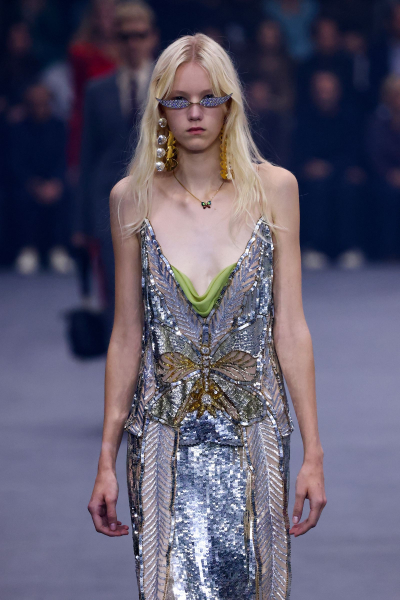
    There were early signs on the runways that 2026 would be especially busy for the whimsical design. Valentino’s spring-summer collection from last October featured garden-inspired pieces, including a slip dress beaded with butterflies. In the same month, Bluemarine sent models down the runway in sheer tulle dresses scattered with colorful embroidered versions of the motif.

    Butterfly dress ValentinoGetty ImagesBlumarine butterfly dressGetty Images

    Both collections used the butterfly motif to invoke fantasy and whimsy—feelings that Elle Gerstein, a nail artist in New York City, says people are looking for in nail art today. “I think there's a lot of emotion behind trends right now; everyone wants to feel,” says Gerstein, who notes that butterflies signify levity and transformation—a much-needed emergence and escape from the current heaviness in the world. These sentiments are reflected in how we’re wearing butterflies on our nails in 2026.

    How we’re wearing butterfly nails in summer 2026

    Back when Mariah Carey and Christina Aguilera were walking red carpets in blingy butterfly crop tops, butterfly nail designs were graphic and on-the-nose—outlined in black or white polish and painted on a neon base. “It was very cartoon-y,” says Gerstein.

    If you wanted a quick-and-easy manicure, then you’d pick up butterfly nail stickers from Claire’s and place them atop jelly nail polish. If you saw a professional for your nail art, you’d likely have the design hand-painted or airbrushed on, says Miss Pop, a nail artist in New York City. If glitter was involved, it was usually chunky.

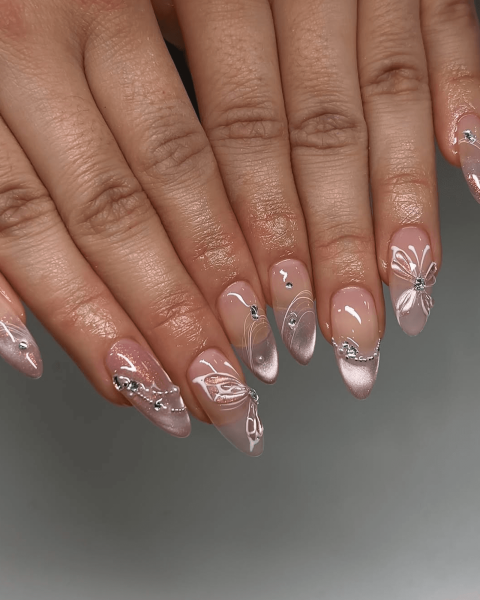
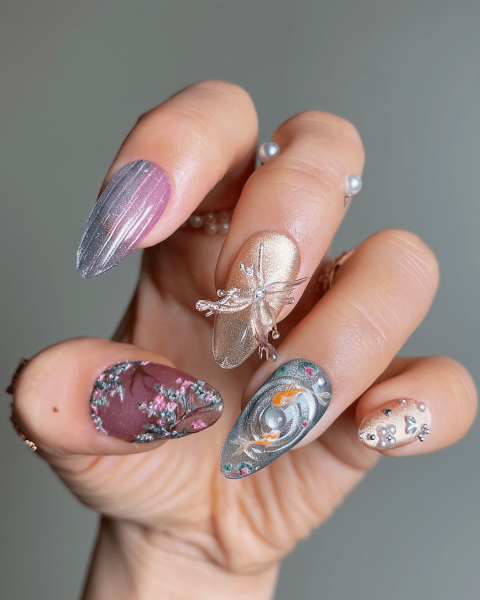
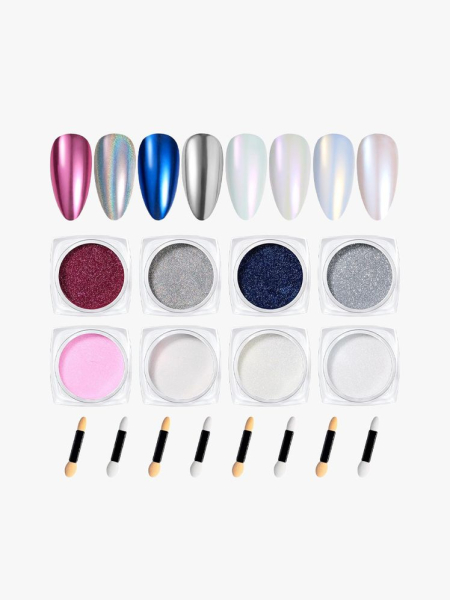
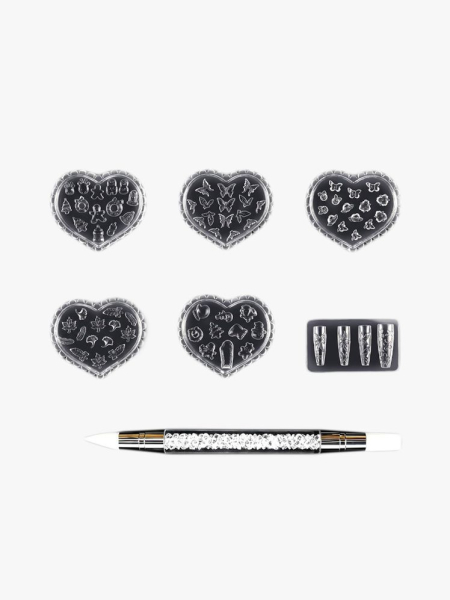
    Butterfly nails in 2026 are “incredibly detailed and intricate,” says Miss Pop. “We’re still drawing from the Y2K era; we just have better supplies.” She points to 3D silicone molds, iridescent cat-eye polishes, and reflective chrome powders.

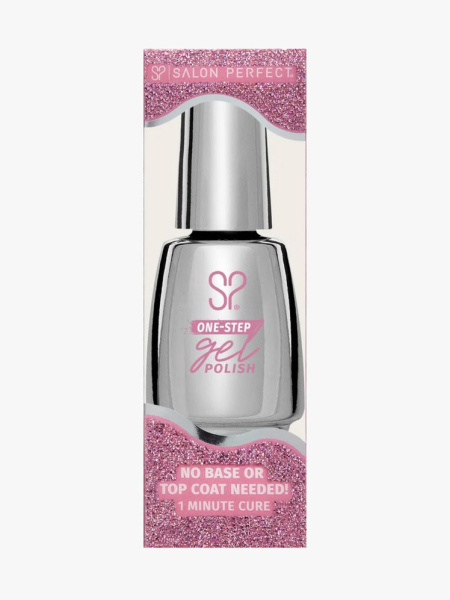
    Miss Pop recommends getting custom 3D butterflies using a silicone mold and a sparkly gel polish (namely the Salon Perfect One-Step Gel). “I put the gel in the butterfly-shaped silicone mold, then I scrape off the excess and cure it,” she explains. “The result is a beautiful, shimmering, colored-gel outline of a butterfly.”

    Miss Pop applies that to the nail using a wet topcoat as glue, before curing the butterfly in place, then sealing the whole design with a glossy topcoat (the Zoya Ultra Glossy topcoat is her go-to). “It's a next-level version, but it really is just so chic to have that light and airy, beautiful outline,” she notes.

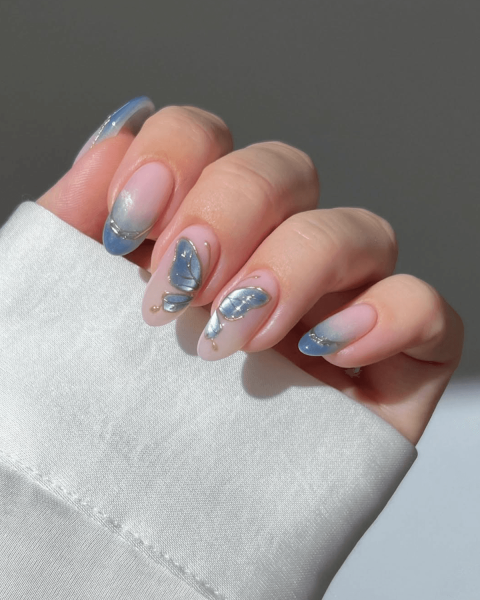
    Miss Pop also likes to use a cat-eye base polish in a light shade, like the new Aprés Prismatic Gel Polishes in pearlescent white, an iridescent shade with silver and light-blue shimmer particles.

    Don’t have a full nail art kit on hand? (We hear you.) Try nail art stickers that look hand-painted, like the Daily Charme 3D Embossed Butterfly Nail Stickers, which have a thin gold outline around each sticker for an ornate manicure effect.

    You can also reach for a pack of press-ons. Our picks include the Olive & June Butterfly Mixed French Press-Ons, which have a pearly chrome finish, and the OPI Sticking Point Press-On Nails in the design Make My Art Flutter, a set with a butterfly-wing outline over a reflective gold base.

    If you’re ready to give your nails the butterfly effect, keep scrolling to discover the most dazzling ways to wear butterfly nails this summer—including angelic, gilded-wing outlines, 3D cat-eye designs, and sparkling rhinestone patterns.

    Butterfly nail inspo for summer 2026

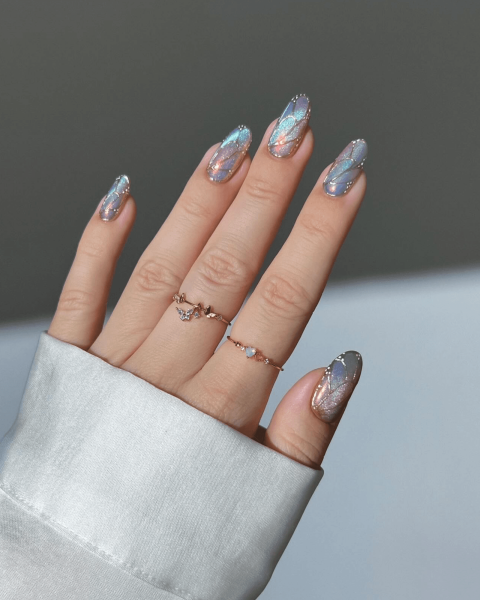
    Cat-eye butterfly nailsCateye butterfly nailsCourtesy of @heygreatnailsCateye butterfly nailsCourtesy of @littlekisskoCourtesy of @sansungnailsBlue CatEye Butterfly NailsCourtesy of @heygreatnails

    This angelic spin on the butterfly nail trend takes inspiration from Y2K sparkle, but instead of chunky glitter, these looks use the subtle, reflective shimmer from magnetic polish to create an otherworldly effect.

    Kim says using cat-eye polish is especially impactful when creating fine-line butterfly designs, since it adds dimension to an otherwise minimal pattern. Kim uses a rose cat-eye polish from the Korean nail brand RozyHip; for a more widely available option, though, we love the DND 9D Cateye Glassball collection, featuring 12 slightly sheer and super glossy magnetic polishes, any of which would make a brilliant backdrop for a delicate butterfly-wing design.

    3D butterfly nails3D Butterfly NailsCourtesy of @sansungnails3D Butterfly NailsCourtesy of @sansungnails3D Butterly Nail GemsCourtesy of @sansungnails3D Butterfly NailsCourtesy of @nailsby.tiff

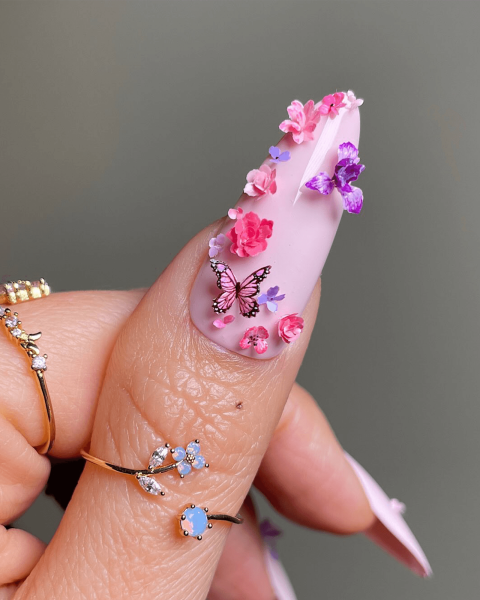
    Dial this dainty motif all the way up with bold and dramatic elements that jump off the nail. Whether it’s sparkling 3D gems or translucent gel accents, adding texture to your butterfly manicure is a great way to bring the trend into 2026. “It creates a super dramatic and gorgeous look,” says Miss Pop, adding that 3D accents add extra dimension to this design that “we couldn’t do before.”

    But you might need a nail artist’s skills and finesse to pull off this look, and one technique that can prove less time-consuming is to lean on rhinestones, says Miss Pop. Suggest a butterfly design made purely with gels and appliqués—similar to the one above by Kim.

    Framed butterfly nailsFrame nails with butterfly designCourtesy of @nelza_dunGold butterfly nail artCourtesy of @nail_art_by_mimiPink and gold butterfly nailsCourtesy of @nailswithsophiaGold Butterfly NailsCourtesy of @thecolornook and @jadeandpolished

    For butterfly nails that look like pieces of vintage heirloom jewelry, consider adding gold outlines to your design. There are so many ways to approach this take on the butterfly motif: You can create, for instance, your butterflies with cat-eye polish, then add gilded edges for extra sparkle.

    You can also create your outline in clear gel, apply a matte-gel topcoat, and cure the design in place. Then, using a nail sponge, apply a chrome powder over your nail art, like the Beetles Gel Polish Chrome Nail Powder, which leaves a beautiful reflective finish. “The matte topcoat helps isolate the chrome you’ll rub into the frame design,” Kathleen Tapanes, a nail artist in New York City, previously told Allure.

    Jelly butterfly nailsJelly butterfly nailsCourtesy of @lana.lovesnailsJelly Butterfly NailsCourtesy of @myuarnail

    Product essentials for butterfly nails:

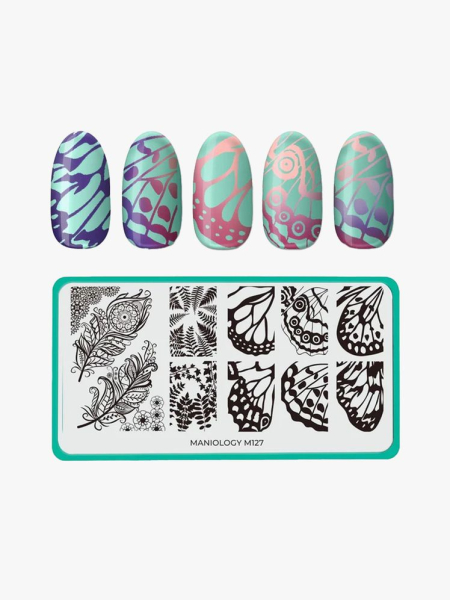
    Maniology Mystic Woods Leafy Feathers Butterfly Wings Nail Stencil in branded components on a light gray backgroundSave to wishlistSave to wishlist

    Maniology

    Mystic Woods: Leafy Feathers/Butterfly Wings Nail Stencil

    $9

    Mainology

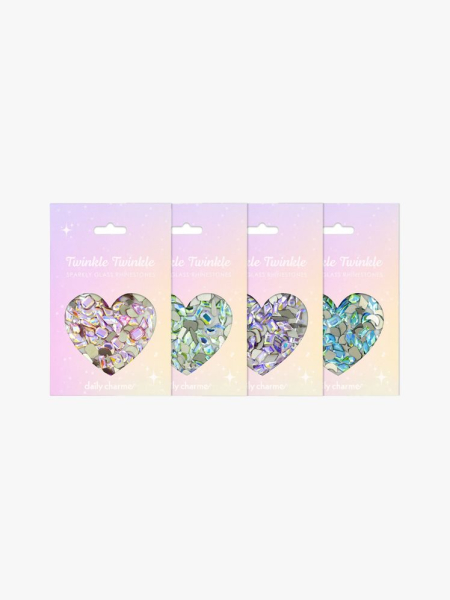
    Daily Charme Twinkle Twinkle Shaped Rhinestone Mix Pastel Iridescent Collection (4-Pack) in branded components on a light gray backgroundSave to wishlistSave to wishlist

    Daily Charme

    Twinkle Twinkle Shaped Rhinestone Mix Pastel Iridescent Collection (4-Pack)

    $48

    Daily Charme

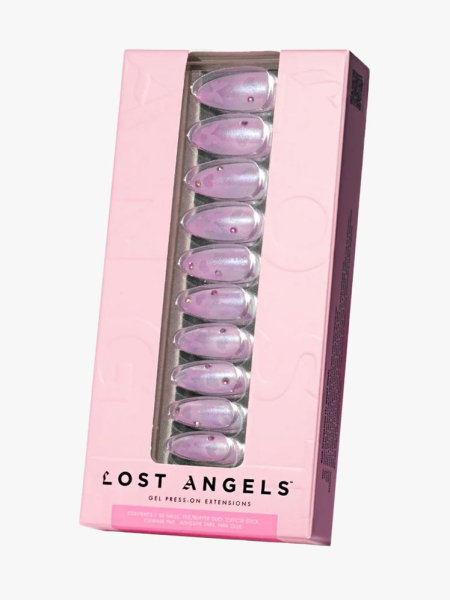
    Lost Angels Y2K’d Me Press-ons in branded component on a light gray backgroundSave to wishlistSave to wishlist

    Lost Angels

    Y2K’d Me Press-ons

    $20

    Lost Angels

    Salon Perfect One-Step Gel in branded component on a light gray backgroundSave to wishlistSave to wishlist

    Salon Perfect

    One-Step Gel

    $7

    Salon Perfect

    Beetles Gel Polish Chrome Nail Powder in branded components on a light gray backgroundSave to wishlistSave to wishlist

    Beetles

    Gel Polish Chrome Nail Powder

    $10 $8 (20% off)

    Amazon

    TADOPRO 6-Piece Silicone Nail Molds in branded components on a light gray backgroundSave to wishlistSave to wishlist

    Tadopro

    6-Piece Silicone Nail Molds

    $9 $8 (11% off)

    Amazon

  • 8 Best Exfoliators for Mature Skin That Deliver Glow Without Irritation

    8 Best Exfoliators for Mature Skin That Deliver Glow Without Irritation

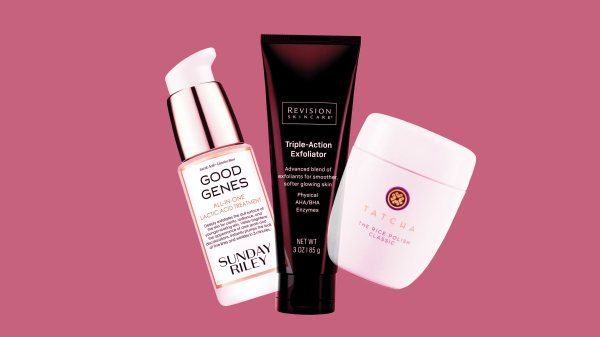
    Image contains a collage of the best exfoliators for mature skin on a pink backgroundCollage: Paula Balondo; Source images: Courtesy of brandsSave StorySave this storySave StorySave this story

    It’s no secret that consistent exfoliation is the key to radiant skin, but whisking away dead skin cells looks different across skin types. To wit: The best exfoliators for mature skin take sensitivity and signs of aging into account, soothing skin while smoothing texture and fine lines. “It's important to remember that as our skin ages, it naturally becomes drier, thinner, and more sensitive to chemicals,” says Maryam Safaee, MD, a board-certified dermatologist based in Santa Monica, California. “Therefore, one has to be extra mindful when picking the right exfoliating product for mature skin.”

    Ahead, find the exfoliators board-certified dermatologists recommend for every step of the skin-care regimen, from cleansing to toning and overnight serums that boost cellular turnover as you sleep. Cap it off with a nourishing moisturizer, and get ready for silky skin at any age.

    Our Top Exfoliators for Mature Skin

    • Best Overall: SkinCeuticals Retexturing Activator, $100
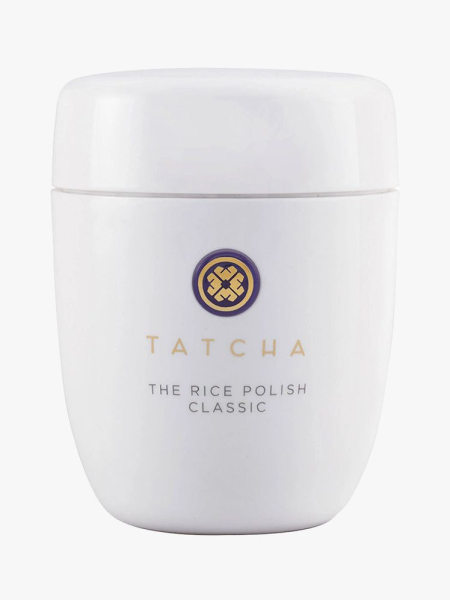
    • Best for Dry Skin: Tatcha The Rice Polish, $69
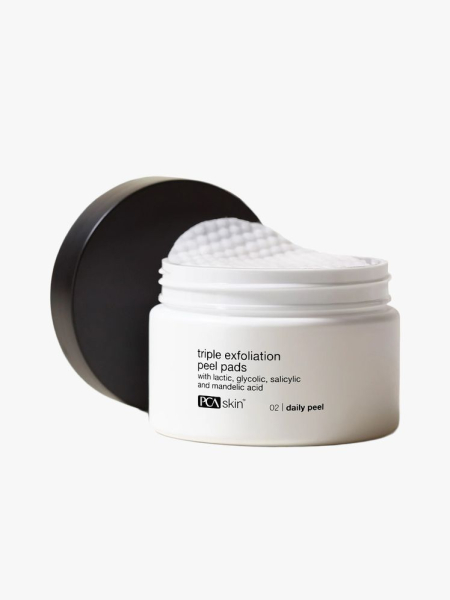
    • Best for Barrier Repair: PCA Skin Triple Exfoliation Peel Pads, $60
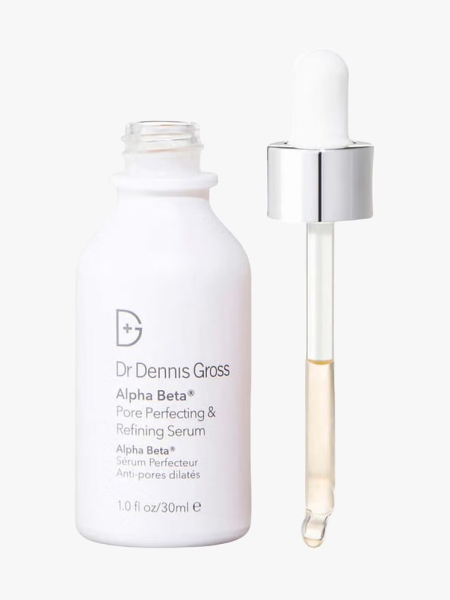
    • Best for Large Pores: Dr. Dennis Gross Alpha Beta Pore Perfecting & Refining Serum, $68

    Frequently Asked QuestionsAccordionItemContainerButtonLargeChevron

    • Should you exfoliate mature skin?
    • How do you exfoliate mature, sensitive skin?
    • What is the best exfoliating acid for wrinkles?
    • Meet the experts
    • How we test and review products
    • Our staff and testers

    Best Overall: SkinCeuticals Retexturing Activator

    SkinCeuticals Retexturizing Activator in branded component on a light gray backgroundSave to wishlistSave to wishlist

    SkinCeuticals

    Retexturizing Activator

    $100

    Bluemercury

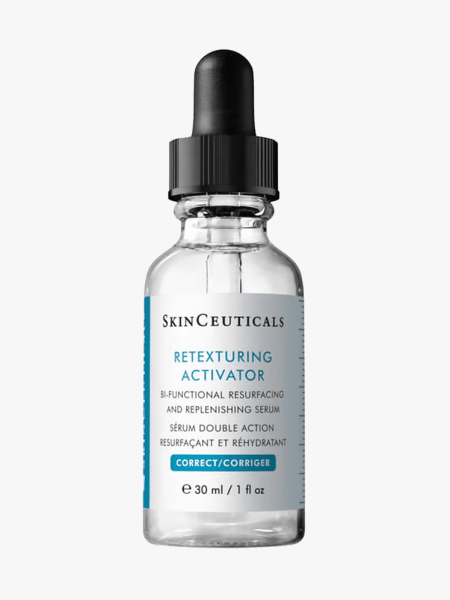
    Why it's worth it: SkinCeuticals’ Retexturing Activator (formerly known as the Reactivating Texturizer) is a serum whipped up with hyaluronic acid for hydration, kombucha for making the skin baby-soft, and a proprietary cocktail of hydroxyethyl urea and aminosulfonic acid. The latter ingredient stimulates enzymes to gently break the bonds that bind dead skin cells to the skin’s surface—in short, it reveals a fresher, dewier complexion without stripping it of moisture. “This does a great job at hydrating the skin while exfoliating,” says Dr. Safaee. Because hydroxyethyl urea is a powerful humectant, she also calls this an “excellent option for those with very dry or sensitive skin.” As always, you can patch-test to check for any adverse reactions.

    More to know

    AccordionItemContainerButtonLargeChevron

    • Formulation: serum
    • Key ingredients: 25% hydroxyethyl urea, hyaluronic acid, 20% glycolic acid, kombucha
    • Fragrance-free: yes

    Best for Dry Skin: Tatcha The Rice Polish

    Tatcha The Rice Polish: Classic white jar on light gray backgroundSave to wishlistSave to wishlist

    Tatcha

    The Rice Polish

    $69

    Amazon

    $69

    Ulta Beauty

    $69

    Sephora

    Why it’s worth it: As mature skin produces less oil and naturally loses some of its ability to hold onto moisture, exfoliation can be a tricky balancing act. Tatcha's The Rice Polish pulls it off. It’s “ideal for dry to combo skin types because the water-activated powder—finely milled Japanese rice bran and papaya enzymes—transforms into a creamy foam to whisk away dull, flaky skin without leaving your complexion feeling stripped,” says Jane Yoo, MD, a dual board-certified dermatologist and Mohs surgeon based in New York City.

    Because it's a powder, you can easily customize the experience: Use a smaller amount and more water for a gentler polish, or a bit more product for a deeper exfoliating treatment. Meanwhile, “Tatcha's proprietary Hadasei-3 complex—a blend of fermented rice, green tea, and algae—to smooth texture and boost radiance, while silk proteins condition and soften dry skin,” says Dr. Yoo. And if your skin is especially reactive, Tatcha also offers a Gentle version formulated with licorice root extract to further soothe and minimize the flakiness and tightness that often accompany dryness.

    More to know

    AccordionItemContainerButtonLargeChevron

    • Formulation: powder
    • Key ingredients: Japanese rice bran, papaya enzymes, Hadasei-3 complex (fermented rice, green tea, algae)
    • Fragrance-free: yes

    Best for Barrier Repair: PCA Skin Triple Exfoliation Peel Pads

    PCA Skin Triple Exfoliation Peel Pads in branded tub component on a light gray backgroundSave to wishlistSave to wishlist

    PCA Skin

    Triple Exfoliation Peel Pads

    $60

    PCA Skin

    Why it’s worth it: A healthy skin barrier helps lock in hydration, minimize irritation, and keep skin looking smooth and soft—making it especially important to choose an exfoliator like PCA Skin's Triple Exfoliation Peel Pads. Each pre-soaked pad includes the brand’s Triple Exfoliation Technology, which combines chemical exfoliation from a blend of AHAs (glycolic, lactic, and mandelic acids), BHA (salicylic acid), PHAs (gluconolactone, lactobionic acid, and maltobionic acid), enzymatic exfoliation from prickly pear flower extract, and gentle physical exfoliation from the textured pad itself—all in a single treatment. (Whew.)

    Despite all that exfoliation power, “the formula includes ingredients like niacinamide, licorice root, and peptides, which support the skin barrier, improve the appearance of uneven tone, and promote firmer, healthier-looking skin while minimizing the irritation that can sometimes occur with exfoliation,” says Whitney Hovenic, MD, a board-certified dermatologist based in Reno, Nevada.

    More to know

    AccordionItemContainerButtonLargeChevron

    • Formulation: pads
    • Key ingredients: niacinamide, licorice root extract, peptides, prickly pear extract, AHAs (lactic, glycolic, mandelic acid), BHA (salicylic acid), PHAs (lactobionic, gluconolactone)
    • Fragrance-free: yes

    Best for Large Pores: Dr. Dennis Gross Alpha Beta Pore Perfecting & Refining Serum

    Dr. Dennis Gross Alpha Beta Pore Perfecting & Refining Serum in branded dropper component on a light gray backgroundSave to wishlistSave to wishlist

    Dr. Dennis Gross

    Alpha Beta Pore Perfecting & Refining Serum

    $68

    Dermstore

    Why it’s worth it: Dry skin and large pores aren't mutually exclusive, especially as skin ages. Over time, collagen loss can make the skin around pores less firm, causing them to appear stretched and more noticeable, while years of sun exposure and slower cell turnover can leave pores looking even larger.

    Dr. Dennis Gross’ Alpha Beta Pore Perfecting & Refining Serum tackles the look of large pores with a lightweight formula that combines the brand's signature Alpha Beta Acids—a blend of glycolic, lactic, mandelic, and salicylic acids—to dissolve dead skin cells, clear out buildup, and support healthy cell turnover for a smoother-looking complexion. Soothing ingredients like sodium hyaluronate, panthenol, and prickly pear extract offset dryness, while retinol supports firmer-looking skin, “The lightweight, fast-absorbing formula layers well under moisturizers and makeup, too,” says Dr. Hovenic.

    More to know

    AccordionItemContainerButtonLargeChevron

    • Formulation: serum
    • Key ingredients: glycolic, lactic, mandelic, and salicylic acids, sodium hyaluronate, panthenol, prickly pear extract, retinol
    • Fragrance-free: yes

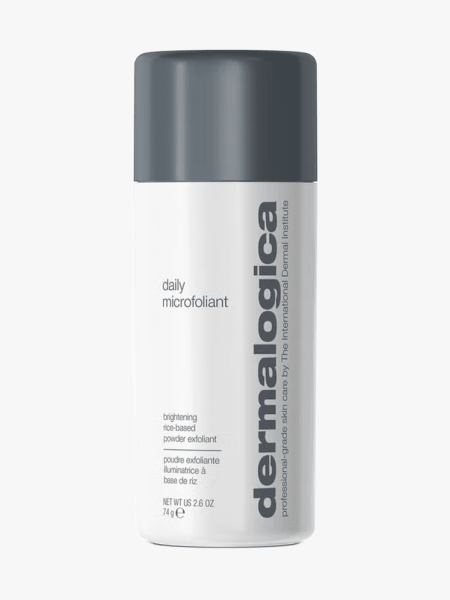
    Best for Beginners: Dermalogica Daily Microfoliant

    Dermalogica Daily Microfoliant in branded component on a light gray backgroundSave to wishlistSave to wishlist

    Dermalogica

    Daily Microfoliant

    $69

    Amazon

    $69

    Dermstore

    $69

    Ulta Beauty

    Why it’s worth it: A word to the wise? “Be careful when picking the right scrub,” Dr. Safaee says. “For mature skin, pick one that has a creamy base and super-fine particles that are non-abrasive.” Dermalogica's Best of Beauty-winning Daily Microfoliant checks all the boxes. The formula contains a rice-based powder that releases exfoliating papain, salicylic acid, and rice enzymes when it’s activated by water. As it’s worked into the skin, the exfoliant becomes a creamy salve, and it can also be mixed into cleanser.

    Though this product can be used daily, you shouldn’t necessarily take its name at face value, especially if you’re new to exfoliants. Dr. Safaee says that those with sensitive skin should hold off on using an exfoliating scrub more than one to two times a week.

    More to know

    AccordionItemContainerButtonLargeChevron

    • Formulation: scrub
    • Key ingredients: papain, salicylic acid, rice enzymes
    • Fragrance-free: yes

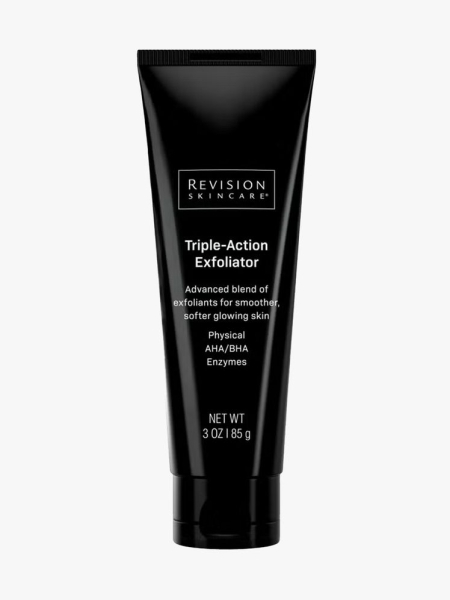
    Best for Advanced Users: Revision Skincare Triple-Action Exfoliator

    Revision Skincare Triple-Action Exfoliator in branded tube component on a light gray backgroundSave to wishlistSave to wishlist

    Revision Skincare

    Triple-Action Exfoliator

    $75

    Amazon

    $75

    Dermstore

    Why it’s worth it: If you've already graduated from beginner exfoliants and want something with a little more power, Revision Skincare’s Triple-Action Exfoliator delivers a deeper resurfacing experience without completely abandoning mature skin's need for hydration. "The formula combines three powerful forms of exfoliation packed into one treatment," says Dr. Elizabeth Geddes-Bruce, MD, a board-certified dermatologist based in Austin. It pairs an immediate physical polish from rice hull powder, bamboo extract, and jojoba esters with glycolic, lactic, and salicylic acids that dissolve dead skin cells and support healthy cell turnover. “Pomegranate enzymes further support gentle exfoliation, while hydrating ingredients like glycerin, shea butter, mango seed butter, and hyaluronic acid keep skin feeling balanced,” she says.

    More to know

    AccordionItemContainerButtonLargeChevron

    • Formulation: scrub
    • Key ingredients: rice hull powder, bamboo extract, jojoba esters, glycolic acid, lactic acid, salicylic acid
    • Fragrance-free: yes

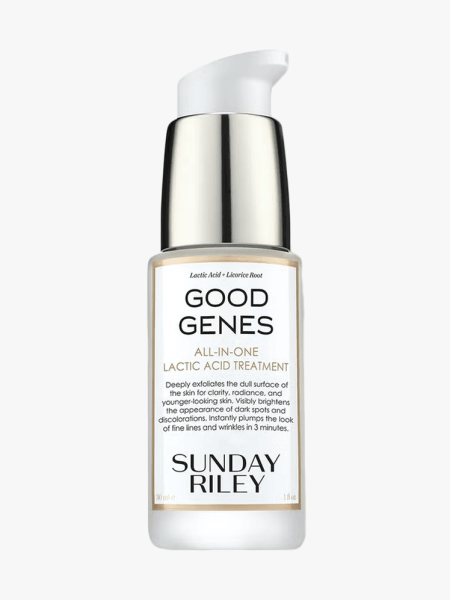
    Best for Sensitive Skin: Sunday Riley Good Genes All-in-One Lactic Acid Treatment

    Sunday Riley Good Genes All-in-One Lactic Acid Treatment in branded component on a light gray backgroundSave to wishlistSave to wishlist

    Sunday Riley

    Good Genes All-in-One Lactic Acid Treatment

    $85 $60 (29% off)

    Amazon

    $85

    Dermstore

    Why it’s worth it: While the lactic acid featured in Sunday Riley’s Good Genes All-in-One Lactic Acid Treatment is great for all skin types, it is especially helpful for those with signs of aging. “Mature skin often benefits from exfoliation that improves dullness and texture without overly compromising the skin barrier, and this treatment delivers a smoother, brighter, more radiant look while still feeling relatively hydrating and cosmetically elegant on the skin,” Mamina Turegano, MD, a board-certified dermatologist based in New Orleans, previously told Allure.

    The Best of Beauty award winner also has a stamp of approval from Corey L. Hartman, MD, a board-certified dermatologist based in Birmingham, Alabama. It “absorbs quickly into the skin, making it easy to add to your skin-care routine for exfoliation,” he says. “The formula also has prickly pear extract, which will soothe redness.” With consistent use, Dr. Hartman says the product can also reduce the appearance of wrinkles and support a more even-toned complexion.

    Tester feedback from contributing commerce writer Christa Joanna Lee

    AccordionItemContainerButtonLargeChevron

    “I can count on one hand the products that I routinely go back to, and me and Good Genes All-In-One Lactic Acid Treatment have been BFFs for about a decade now. As I enter the last year of my 30s, I depend on this more than ever to keep my dry, sensitive skin from flaking and looking dull. It delivers consistent exfoliation and keeps rough patches at bay, and despite being an acid treatment, it's never irritated my skin.” —Christa Joanna Lee, contributing commerce writer

    More to know

    AccordionItemContainerButtonLargeChevron

    • Formulation: serum
    • Key ingredients: lactic acid, prickly pear extract, blue agave extract
    • Fragrance-free: yes

    Best Drugstore: Cetaphil Gentle Exfoliating SA Cleanser

    Cetaphil Gentle Exfoliating SA Cleanser bottle of cleanser with pump on light gray backgroundSave to wishlistSave to wishlist

    Cetaphil

    Gentle Exfoliating SA Cleanser

    $10

    Amazon

    $13

    Ulta Beauty

    Why it’s worth it: While serums, scrubs, and pads are all effective exfoliators for mature skin, don’t sleep on the basics. “The cleansing step is also ideal for exfoliation, and Cetaphil’s Gentle Exfoliating SA Cleanser is gentle enough for daily use,” says Dr. Hartman. “The formula uses a mix of salicylic acid, mandelic acid, and gluconolactone, which effectively removes oil, exfoliates the skin, and retains the skin’s moisture.” The cleanser was designed to tackle five common side effects of reactive skin: dryness, irritation, roughness, tightness, and a weakened skin barrier. Better yet, the foaming gel formula, which is fragrance-free, is ideal for sensitive skin, according to Dr. Hartman.

    More to know

    AccordionItemContainerButtonLargeChevron

    • Formulation: cleanser
    • Key ingredients: mandelic acid, salicylic acid, gluconolactone
    • Fragrance-free: yes

    Frequently Asked Questions

    Should you exfoliate mature skin?

    “Exfoliation should be a key component of your skin-care routine, especially as we age,” says Dr. Hartman. “I recommend regular exfoliation to patients with mature skin to help their skin look and feel its best.” The reason? Cellular turnover—or the body’s natural exfoliation process—slows as we age. As a result, dead skin cells accumulate more readily on the surface of the skin, and it takes longer for new skin cells to rise to the surface and replace them. Enter exfoliants such as scrubs, serums, and pads, which can help speed the process to keep skin radiant and smooth.

    How do you exfoliate mature, sensitive skin?

    In general, Dr. Hartman recommends chemical exfoliants over physical exfoliants for sensitive or mature skin. (There are exceptions, such as the gentle, creamy Dermalogica Daily Microexfoliant.) “A physical exfoliant can oftentimes be too rough for mature skin,” Dr. Hartman says. “In addition to exacerbating sensitivity and causing redness, physical exfoliants may tug at the skin, and excessive tugging can lead to wrinkling or loose skin.” For patients new to chemical exfoliation, he recommends starting with a gentle AHA, like lactic acid, and using it one to two times per week to start; he also recommends using products that contain salicylic acid, mandelic acid, and other chemical agents that help break the bonds between dead skin cells.

    What is the best exfoliating acid for wrinkles?

    Of all the ingredients said to tame wrinkles, retinol is often considered the gold standard. The vitamin A derivative has a proven ability to stimulate cellular turnover, and its active form, retinoic acid, is particularly effective at kickstarting collagen production for firmer, smoother skin. Typically available by prescription, “Retinoic acid is going to be my top recommendation for exfoliation [that targets wrinkles],” Dr. Hartman says. But for those without access to—or the desire to try—Retin-A or tretinoin, an over-the-counter product such as IOPE’s Expert Retinol RX 1% Super Bounce Serum will also work to target multiple signs of aging, including wrinkles. “In my opinion, everyone should be using a retinoid,” says Dr. Hartman. “It is one of the most studied ingredients and has unparalleled benefits, from exfoliation to improving skin texture, evening skin tone, fading dark spots, and treating acne.”

    Meet the experts

    • Janet Allenby, MD, is a board-certified dermatologist based in Delray Beach, Florida
    • Corey L. Hartman, MD, is a board-certified dermatologist and the founder of Skin Wellness Dermatology in Birmingham, Alabama
    • Whitney Hovenic, MD, a board-certified dermatologist and co-founder of Spooge based in Reno, Nevada
    • Maryam Safaee, MD, is a board-certified dermatologist based in Santa Monica, California
    • Jane Yoo, MD, a dual board-certified dermatologist and Mohs surgeon based in New York City

    How we test and review products

    When Allure tests a product, our editors look at it from every angle to best serve you. We review ingredients, scrutinize brand claims, and, when necessary, examine peer-reviewed scientific and medical studies. In addition to testing each and every product that's included in every review, we rely on experts who shape their fields, including dermatology, cosmetic chemistry, and medicine, to help us vet the ingredients and formulas.

    For our list of the best exfoliators for mature skin, we considered each product's performance across five primary categories: product ingredients and efficacy, packaging, fragrance, texture, and product wear. Every product was determined to have excelled in each category by our editorial team, which is composed of in-house writers and editors as well as contributors—along with special consideration from dermatologists. To learn more information on our reporting and testing processes, read our complete reviews process and methodology page.

    Our staff and testers

    A beauty product is a personal purchase. You might be searching for a face cream to address persistent dryness or a new nail product to add to your Sunday self-care routine; you may simply be browsing around for the latest launches to hit the hair market. No matter what you seek or your individual needs and concerns, Allure wants to ensure that you love anything we recommend in our stories. We believe that having a diverse team of writers and editors—in addition to the wide range of outside testers and industry experts we regularly call upon—is essential to reaching that goal.

    After all, can we really say a skin-care product is the "best" for people over 50 if the only testers we've solicited opinions from folks who have yet to hit 30? Can we honestly deem a high-end diffuser worthy of your hard-earned cash if it's never been tested on curls? We're proud that our staff spans a wide range of ages, skin tones, hair textures, genders, and backgrounds, which means that we are able to fairly assess any beauty product that comes into the beauty closet.

  • 9 Best Mineral Sunscreens That Won’t Leave a White Cast

    9 Best Mineral Sunscreens That Won’t Leave a White Cast

    Image contains Allure senior staff writer Elizabeth Gulino with the EltaMD UV Clear Acne BlemishProne  Oil Balancing SPF...Collage: Paula Balondo; Source images: Courtesy of brandsSave StorySave this storySave StorySave this story

    Sunscreen has a reputation for being chalky and hard to blend, but we’re here to ease your fears of ghostly white casts with the best mineral sunscreens. Of course, we all (should) know by now that sunscreen is a non-negotiable part of any skin-care routine, but even the most lauded formulas have varying qualities. Chemical-based options absorb into the skin to filter UV rays (a process we’ll get into below), and then there are mineral-based sunscreens, also known as physical sunscreens or sunblock. These formulas create a mineral-based barrier over your delicate skin to literally block UV rays (and reflect them away from skin) to keep them from potentially damaging the DNA in your cells. Because mineral UV filters don’t penetrate the skin, they’re usually gentler on sensitive skin. The downside? They tend to leave darker skin tones with an ashy finish. But don't worry, our picks pass the test. Check out our all-time favorite mineral sunscreens for all-encompassing daytime protection and glowy, non-ashy finishes.
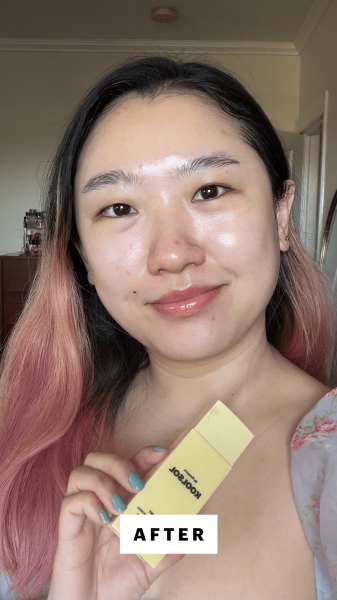
    Our Top Mineral Sunscreens

    • Best Overall Untinted: SkinCeuticals Future Mineral UV Defense Sunscreen SPF 50, $60
    • Best Overall Tinted: Supergoop Mineral Mattescreen SPF 40, $40
    • Best for Acne-Prone Skin: EltaMD UV Clear Acne Blemish-Prone & Oil Balancing SPF 50, $49
    • Best for Mature Skin: Alastin HydraTint Pro Mineral Sunscreen SPF 36, $84

    Frequently Asked QuestionsAccordionItemContainerButtonLargeChevron

    • What's the difference between chemical and mineral sunscreens?
    • Who should use mineral sunscreen?
    • Meet the experts
    • How we test and review products
    • Our staff and testers

    Best Overall Untinted: SkinCeuticals Future Mineral UV Defense Sunscreen SPF 50

    SkinCeuticals Future Mineral UV Defense Sunscreen SPF 50 black bottle of sunscreen on light gray backgroundSave to wishlistSave to wishlist

    SkinCeuticals

    Future Mineral UV Defense Sunscreen SPF 50

    $60

    Bluemercury

    Allure contributing commerce writer Christa Joanna Lee applying the SkinCeuticals Future Mineral UV Defense Sunscreen SPF 50

    Christa Joanna Lee

    Why it’s worth it: A telltale white cast tends to come with the (mineral) territory—blame the filters for that—but the SkinCeuticals Future Mineral UV Defense Sunscreen SPF 50 has managed to outsmart it. SkinCeuticals uses Z-Cote, a microfine form of zinc oxide with particles much smaller than those of traditional mineral filters, allowing the formula to blend in with a nearly invisible finish. Beyond broad-spectrum SPF 50 protection, it’s packed with niacinamide and panthenol to support the skin barrier, calm redness, and promote a more even-looking tone. “This is especially great for mature skin since it adds the benefit of integrating actives to improve the appearance of fine lines, wrinkles, and discoloration,” says Jane Yoo, MD, a dual board-certified dermatologist based in New York City. The lightweight, almost serum-like texture melts into skin without pilling or feeling heavy under makeup.
    Lee before applying the SkinCeuticals Future Mineral UV Defense Sunscreen SPF 50

    Lee before applying the SkinCeuticals Future Mineral UV Defense Sunscreen SPF 50

    Christa Joanna LeeLee after applying the SkinCeuticals Future Mineral UV Defense Sunscreen SPF 50

    Lee after applying the SkinCeuticals Future Mineral UV Defense Sunscreen SPF 50

    Christa Joanna Lee

    Tester feedback from contributing commerce writer Christa Joanna Lee

    AccordionItemContainerButtonLargeChevron

    “I had a true wait, this is mineral? moment with this sunscreen. It pours out like a lightweight serum that’s slightly opaque at first, then it disappears completely into my skin without a trace. True to form, the brand packs in plenty of nourishing skin-care ingredients, and makeup layers over it effortlessly. Now I just need this in a body lotion version.” —Christa Joanna Lee, contributing commerce writer

    More to know

    AccordionItemContainerButtonLargeChevron

    • Key ingredients: 15.35% zinc oxide, 2.66% titanium dioxide, 3% niacinamide, 0.5% panthenol, 0.1% beta glucan, and 2% cellulose
    • Fragrance-free: yes

    Best Overall Tinted: Supergoop Mineral Mattescreen SPF 40

    Supergoop! Mineral Mattescreen SPF 40 in branded tube component on a light gray backgroundSave to wishlistSave to wishlist

    Supergoop

    Mineral Mattescreen SPF 40

    $40

    Amazon

    $40

    Nordstrom

    $40

    Dermstore

    Allure managing editor Alessandra Foresto applying the Supergoop! Mineral Mattescreen SPF 40

    Alessandra Foresto

    Why it’s worth it: If you don’t want to take any chances with a white cast, Supergoop's Mineral Mattescreen SPF 40 is one of the most blendable mineral sunscreens to reach for. The tinted formula (here, in the form of iron oxides) “offsets zinc oxide’s naturally chalky white base, so the formula blends in more seamlessly with skin,” Sherry Backman, a cosmetic chemist based in Brattleboro, Vermont, previously told Allure. Skin-conditioning polymers like dimethicone create a velvety, primer-like texture that blurs the look of pores and fine lines, leaving behind a soft, matte finish that’s especially flattering on oily or combo skin. Meanwhile, antioxidant-rich bamboo extract defends against free-radical damage, making this multitasking sunscreen a go-to choice for anyone who wants mineral protection, a subtle tint, and smoother-looking texture in a single step.

    Foresto before applying the Supergoop Mineral Mattescreen SPF 40

    Foresto before applying the Supergoop! Mineral Mattescreen SPF 40

    Alessandra ForestoForesto after applying the Supergoop Mineral Mattescreen SPF 40

    Foresto after applying the Supergoop! Mineral Mattescreen SPF 40

    Alessandra Foresto

    Tester feedback from managing editor Alessandra Foresto

    AccordionItemContainerButtonLargeChevron

    “I've been a fan of this tinted matte mineral sunscreen from Supergoop since it only came in one universal shade. I'm even more of a fan now that they have extended their range to better match my skin tone (I use shade Golden Hour). I love wearing it on its own on a summer day when I don't feel like wearing a full face of makeup, for a little coverage over my dark spots. But it's also by far the best sunscreen to use under makeup because it acts as a smoothing, grippy primer that helps my foundation, concealer, or skin tint (whatever I feel like that day) go on more evenly and stay on longer.” —Alessandra Foresto, managing editor

    More to know

    AccordionItemContainerButtonLargeChevron

    • Shades: 3
    • Key ingredients: 1.33% titanium dioxide, 17.42% zinc oxide, dimethicone, bamboo
    • Fragrance-free: yes

    Best for Acne-Prone Skin: EltaMD UV Clear Acne Blemish-Prone & Oil Balancing SPF 50

    EltaMD UV Clear Acne Blemish-Prone & Oil Balancing SPF 50 in branded component on a light gray backgroundSave to wishlistSave to wishlist

    EltaMD

    UV Clear Acne Blemish-Prone & Oil Balancing SPF 50

    $49

    Amazon

    $49

    EltaMD

    Allure senior staff writer Elizabeth Gulino applying the EltaMD UV Clear Acne Blemish-Prone & Oil Balancing SPF 50

    Elizabeth Gulino

    Why it’s worth it: EltaMD’s latest UV Clear Acne Blemish-Prone & Oil Balancing SPF 50 is everything you love about the 2025 Best of Beauty-winning UV Skin Recovery Broad-Spectrum SPF 50, but tailored for acne-prone or oily skin. This version pairs 11% zinc oxide and 3.5% octinoxate (a UVB filter that boosts sun protection while keeping the formula lightweight) with 5% niacinamide to soothe redness, even out skin tone, and minimize excess oil throughout the day. The brand’s proprietary ZincAOXPro Technology also provides antioxidant protection against UV rays, blue light, pollution, and other environmental stressors. Best of all, it maintains the elegant, non-greasy feel that made the original so popular—just with extra support for shine, congestion, and post-blemish marks.

    A selfie of Allure senior staff writer Elizabeth Gulino before applying the EltaMD UV Clear BlemishProne  Oil Balancing...

    Gulino before applying the EltaMD UV Clear Acne Blemish-Prone & Oil Balancing SPF 50

    Elizabeth GulinoA selfie of Allure senior staff writer Elizabeth Gulino after applying the EltaMD UV Clear BlemishProne  Oil Balancing...

    Gulino after applying the EltaMD UV Clear Acne Blemish-Prone & Oil Balancing SPF 50

    Elizabeth Gulino

    Tester feedback from senior staff writer Elizabeth Gulino

    AccordionItemContainerButtonLargeChevron

    "It’s no secret that EltaMD has the best of the best sunscreens. I’m a longtime user of the brand’s tinted version of UV Clear, but have recently started using the new UV Clear Blemish-Prone & Oil Balancing SPF 50 in my routine. As someone who wears SPF every day and is prone to getting oily in my T-zone, this has been a life saver. When I wear this—especially under makeup—I find myself not needing to powder my face mid-day. The best part? It’s clinically proven to reduce excess oil over time, so the more you wear it the better it works.” —Elizabeth Gulino, senior staff writer

    More to know

    AccordionItemContainerButtonLargeChevron

    • Key ingredients: 11% zinc oxide, 3.5% octinoxate, 5% niacinamide
    • Fragrance-free: yes

    Best for Dry Skin: Ilia Sun Serum Mineral Sunscreen SPF 50

    Ilia Sun Serum Mineral Sunscreen SPF 50 in branded component on a light gray backgroundSave to wishlistSave to wishlist

    Ilia

    Sun Serum Mineral Sunscreen SPF 50

    $40

    Sephora

    $40

    Ilia

    Allure creative producer Sydney Malone applying the Ilia Sun Serum Mineral Sunscreen SPF 50

    Sydney Malone

    Why it’s worth it: When we had five editors spanning a range of skin tones put Ilia’s Sun Serum Mineral Sunscreen SPF 50 to the test, it won over even mineral-sunscreen skeptics. Despite containing a hefty 10.5% zinc oxide, the formula glides on like a hydrating serum and leaves skin looking fresh and dewy. What makes it particularly great for dry skin is its blend of seven forms of hyaluronic acid, which pull moisture into the skin and counteract the dryness mineral SPFs can sometimes cause. The formula also comes in two adaptable tinted shades: light-medium and medium-deep. “I am a longtime user of mineral sunscreen, and I have never experienced anything like this,” says senior commerce director Shanna Shipin. “This is such an elegant formula that is so lightweight, it performs like a chemical sunscreen—I can hardly believe that there are mineral blockers in it.”

    Malone before applying the Ilia Sun Serum Mineral Sunscreen SPF 50

    Malone before applying the Ilia Sun Serum Mineral Sunscreen SPF 50

    Sydney MaloneMalone after applying the Ilia Sun Serum Mineral Sunscreen SPF 50

    Malone after applying the Ilia Sun Serum Mineral Sunscreen SPF 50

    Sydney Malone

    Tester feedback from creative producer Sydney Malone

    AccordionItemContainerButtonLargeChevron

    “I have combination skin, so I am always wary of products that will either dry me out or make me appear too oily—I prefer a happy medium. This is especially true of sunscreens, because I have found that there are either mineral formulas that often leave an ashy appearance or sheer ones that are supposed to give a ‘glow’ but, in reality, make me look sweaty.

    When I first squeezed this product out of the bottle, I was scared by the tone of brown that the product was because it seemed like it would be ashy. However, I was pleasantly surprised by how well it applied to my skin and settled. It felt like that perfect mix I look for, and honestly, it was the most impressed I’ve ever been with a facial sunscreen. I didn’t look sweaty; I didn’t look ashy. In fact, you almost couldn’t even tell it was on, which I loved.

    It has a super natural finish, and I wore it for almost nine hours before I washed my face at night, and it never changed. It gave my holy grail sunscreen a run for its money.” —Sydney Malone, creative producer

    More to know

    AccordionItemContainerButtonLargeChevron

    • Shades: 2
    • Key ingredients: 10.5% zinc oxide
    • Fragrance-free: yes

    Best for Mature Skin: Alastin HydraTint Pro Mineral Sunscreen SPF 36

    Alastin Skincare HydraTint Pro Mineral Sunscreen SPF 36 in branded tube component on a light gray backgroundSave to wishlistSave to wishlist

    Alastin Skincare

    HydraTint Pro Mineral Sunscreen SPF 36

    $84

    Amazon

    Lee applying the Alastin HydraTint Pro Mineral Sunscreen SPF 36

    Christa Joanna Lee

    Why it’s worth it: If your ideal makeup routine is "less is more,” Alastin's HydraTint Pro Mineral Sunscreen SPF 36 may be all you need. “It functions as a hybrid between sunscreen and complexion product,” Anetta Reszko, MD, a board-certified dermatologist based in New York City, previously told Allure. The sheer tint even out redness and discoloration enough that many people can skip foundation entirely, though it still wears nicely under makeup if you want more coverage. Zinc oxide and titanium dioxide provide broad-spectrum protection, while ectoin supports the skin barrier and keeps skin hydrated, so makeup is less likely to catch on dry patches. Even better, the formula goes beyond sun protection, featuring antioxidants such as phytoene, phytofluene, and hydroxymethoxyphenyl decanone, which defend against pollution and other environmental stressors. Though it only comes in one shade, “the tint blends easily for most skin tones,” May Hall, DO, a double board-certified dermatologist based in Asheville, North Carolina, previously said.

    Lee before applying the Alastin HydraTint Pro Mineral Sunscreen SPF 36

    Lee before applying the Alastin HydraTint Pro Mineral Sunscreen SPF 36

    Christa Joanna LeeLee after applying the Alastin HydraTint Pro Mineral Sunscreen SPF 36

    Lee after applying the Alastin HydraTint Pro Mineral Sunscreen SPF 36

    Christa Joanna Lee

    Tester feedback from Lee

    AccordionItemContainerButtonLargeChevron

    “As someone with sensitive and fair skin, I’m usually picky about mineral sunscreens, and I was a little hesitant that Alastin's Skincare HydraTint Pro Mineral Sunscreen SPF 36 only comes in one shade—but the tint is sheer enough to cancel out any chalkiness. I definitely wouldn't personally say it’s in makeup territory, but it does add just enough to even out your skin. It blends in beautifully and absorbs quickly, but I usually sweep another layer of my favorite dewy serum foundation to even out my melasma more.” —Lee, contributing commerce writer

    More to know

    AccordionItemContainerButtonLargeChevron

    • Shade: 1
    • Key ingredients: 3.4% zinc oxide, 8.9% titanium dioxide, ectoin, phytoene, phytofluene, Thermus thermophilus ferment
    • Fragrance-free:

    Best Under Makeup: Summer Fridays ShadeDrops SPF 50 Mineral Milk Sunscreen

    Summer Fridays ShadeDrops Broad Spectrum SPF 50 Mineral Milk Sunscreen in branded component on a light gray backgroundSave to wishlistSave to wishlist

    Summer Fridays

    ShadeDrops SPF 50 Mineral Milk Sunscreen

    $38

    Amazon

    $38

    Sephora

    Allure senior commerce director Shanna Shipin applying the Summer Fridays ShadeDrops SPF 50 Mineral Milk Sunscreen

    Shanna Shipin

    Why it’s worth it: If you liked the original Summer Fridays ShadeDrops, there's plenty to love about the updated version. The reformulation boosts protection to SPF 50 and combines 9.4% zinc oxide with titanium dioxide for broader UV coverage, all while maintaining the weightless feel that made the original such a favorite. (Just don't let the higher SPF fool you into skipping reapplication—the higher SPF simply means more protection against UVB rays.) It also features a lineup of skin-care staples, including ectoin, ceramides, allantoin, and chamomile extract to hydrate, soothe, and support the skin barrier. True to its name, ShadeDrops feels more like a lightweight, milky serum than a traditional mineral sunscreen. For dry or sensitive skin, it's an easy way to get daily sun protection without the heaviness or chalkiness mineral SPFs are often known for.

    Shipin before applying the Summer Fridays ShadeDrops Broad Spectrum SPF 50 Mineral Milk Sunscreen

    Shipin before applying the Summer Fridays ShadeDrops SPF 50 Mineral Milk Sunscreen

    Shanna ShipinShipin after applying the Summer Fridays ShadeDrops Broad Spectrum SPF 50 Mineral Milk Sunscreen

    Shipin after applying the Summer Fridays ShadeDrops SPF 50 Mineral Milk Sunscreen

    Shanna Shipin

    Tester feedback from Shipin

    AccordionItemContainerButtonLargeChevron

    “I am so happy Summer Fridays reformulated this product to boost the Mineral Milk to SPF 50! I was already a fan of the original, but there's so much more to love about this new version. The packaging, for one, is so cute—a happy tangerine with a more luxe finish that won't discolor over time (unlike the original!)—and the formula itself isn't as runny. It's just as lightweight and a bit smoother, and I love that it leaves my skin with a glowing (but not greasy) finish. This product is probably best for drier skin types. It's hydrating (thanks to glycerin and a ceramide complex in the formula), but I can see it being a hair too glowy on someone looking for a matte or more natural finish. I typically only wear skin tints, so I love the extra glowy-skin boost that this SPF provides! And it never competes with anything I layer over it: blush, bronzer, setting spray—they all play so well on top of this formula.” —Shipin, senior commerce director

    More to know

    AccordionItemContainerButtonLargeChevron

    • Key ingredients: 5.93% zinc oxide, 5.46% titanium dioxide, shea butter, ceramides, glycerin
    • Fragrance-free: yes

    Best Lightweight: Koolsol by Knours Ultra Light Invisible Mineral Sunscreen SPF 50

    Koolsol by Knours Ultra Light Invisible Mineral Sunscreen SPF 50 in branded component on a light gray backgroundSave to wishlistSave to wishlist

    Koolsol by Knours

    Ultra Light Invisible Mineral Sunscreen SPF 50

    $22

    Amazon

    $25

    Soko Glam

    Allure commerce editor Sarah Han applying the Koolsol by Knours Ultra Light Invisible Mineral Sunscreen SPF 50

    Sarah Han

    Why it’s worth it: K-beauty has earned a reputation for making sunscreens people actually want to wear, and Knours’ Koolsol Ultra Light Invisible Mineral Sunscreen SPF 50 is a perfect example. If you applied this with your eyes closed, you'd probably assume it was a lightweight hydrating lotion, not a zinc oxide-powered sunscreen. The formula is also packed with beloved Korean skin-care ingredients, including soothing Centella asiatica, plus there’s aloe, niacinamide, and panthenol to soothe irritation, support the skin barrier, and boost hydration. Snow mushroom extract acts like a natural moisture magnet, helping skin stay plump and dewy throughout the day.

    A selfie of Allure commerce editor Sarah Han before applying the Knours Koolsol Ultra Light Invisible Sunscreen SPF 50

    Han before applying the Koolsol by Knours Ultra Light Invisible Mineral Sunscreen SPF 50

    Sarah HanA selfie of Allure commerce editor Sarah Han after applying the Knours Koolsol Ultra Light Invisible Sunscreen SPF 50

    Han after applying the Koolsol by Knours Ultra Light Invisible Mineral Sunscreen SPF 50

    Sarah Han

    Tester feedback from commerce editor Sarah Han

    AccordionItemContainerButtonLargeChevron

    “I have never met a Korean mineral sunscreen—or any mineral sunscreen, especially untinted—that has this close to the feel of a chemical sunscreen. As you probably know, no mineral sunscreen can be 100% cast-free (zinc oxide starts as a white powder, after all!), but Koolsol Ultra Light Invisible Mineral Sunscreen SPF 50 leaves my complexion looking almost indiscernibly the same. I only notice the teeniest tinge of cast in real life, but I honestly don't think an observer would. (At least my boyfriend, who stares at my face quite a lot, couldn't tell!) It applies so elegantly, like a lightweight moisturizer, and leaves my skin looking dewy, but not overly so. I'd never thought I'd say such a thing, but I think I even prefer this mineral option over Knours' chemical SPF (which is also nice, to be fair)!” —Sarah Han, commerce editor

    More to know

    AccordionItemContainerButtonLargeChevron

    • Key ingredients: 10% zinc oxide, niacinamide, snow mushroom, aloe, Centella asiatica
    • Fragrance-free: yes

    Best Drugstore: La Roche-Posay Anthelios 50 Mineral Ultra Light Sunscreen

    La Roche-Posay Anthelios 50 Mineral Ultra Light Sunscreen in branded component on a light gray backgroundSave to wishlistSave to wishlist

    La Roche-Posay

    Anthelios 50 Mineral Ultra Light Sunscreen

    $43 $30 (30% off)

    Amazon

    $43

    Dermstore

    $43

    Ulta Beauty

    Allure contributing commerce editor Deanna Pai applying La Roche-Posay Anthelios 50 Mineral Ultra Light Sunscreen

    Deanna Pai

    Why it’s worth it: Shari Marchbein, MD, a board-certified dermatologist based in New York City, is a certified fan of La Roche-Posay’s Anthelios 50 Mineral Ultra Light Sunscreen for its ultra-sheer finish and high-grade protection. "It has a subtle mattifying effect that's perfect to wear under makeup," she adds. The formula is fortified with nourishing and barrier-strengthening vitamin E oil to make this pick extra worth your while. And, as with any La Roche-Posay stunner, the brand’s proprietary Thermal Spring Water makes a welcome appearance. If you’re also looking to even out your skin tone, there’s a tinted version that leaves a healthy glow.

    Selfie of Pai before applying La RochePosay Anthelios 50 Mineral Ultra Light Sunscreen

    Pai before applying La Roche-Posay Anthelios 50 Mineral Ultra Light Sunscreen

    Deanna PaiSelfie of Pai after applying La RochePosay Anthelios 50 Mineral Ultra Light Sunscreen

    Pai after applying La Roche-Posay Anthelios 50 Mineral Ultra Light Sunscreen

    Deanna Pai

    Tester feedback from contributing commerce editor Deanna Pai

    AccordionItemContainerButtonLargeChevron

    "I don't typically trust untinted mineral sunscreens, since they almost always leave a white cast on my olive skin. Not this one! It's practically perfect: It doesn't have a weird scent, absorbs quickly, and even seems to control the shine on my nose, leaving my very oily T-zone looking more matte, but not flat or one-dimensional. The tube also holds a ton of product, too, so it can last me through a beach trip and then some." —Deanna Pai, contributing commerce editor

    More to know

    AccordionItemContainerButtonLargeChevron

    • Key ingredients: 6% titanium dioxide, 5% zinc oxide, vitamin E oil, La Roche-Posay Thermal Spring Water
    • Fragrance-free: yes

    Highest SPF: Shiseido Ultimate Sun Protector Lotion Mineral SPF 60+

    A blue bottle of Shiseido Ultimate Sun Protector Lotion Mineral SPF 60+ on a light gray backgroundSave to wishlistSave to wishlist

    Shiseido

    Ultimate Sun Protector Lotion Mineral SPF 60+

    $52

    Amazon

    $52

    Nordstrom

    Allure senior editor Jesa Marie Calaor applying the Shiseido Urban Environment Oil-Free Mineral Clear Sunscreen SPF 42

    Jesa Marie Calaor

    Why it’s worth it: We've been fans of Shiseido's chemical and hybrid sunscreens for well over a decade, so when the brand finally introduced a 100% mineral formula, expectations were understandably high. Thankfully, Ultimate Sun Protector Lotion Mineral SPF 60+ lives up to them. Despite offering SPF 60+ protection, it feels lightweight and comfortable on the skin. While it dispenses as a milky white lotion, it dries down to a virtually invisible finish across a wide range of skin tones. Beyond UV protection, the formula is packed with antioxidant-rich botanical extracts to defend against UV-induced signs of aging, soothing licorice root extract, and a blend of five types of algae that keep skin hydrated and comfortable throughout the day. There's also an adorably petite travel-size version, making midday reapplication much easier.

    Selfie of Jesa Calaor before applying the Shiseido Urban Environment OilFree Mineral Clear Sunscreen SPF 42

    Calaor before applying the Shiseido Urban Environment Oil-Free Mineral Clear Sunscreen SPF 42

    Jesa Marie CalaorSelfie of Jesa Calaor after applying the Shiseido Urban Environment OilFree Mineral Clear Sunscreen SPF 42

    Calaor after applying the Shiseido Urban Environment Oil-Free Mineral Clear Sunscreen SPF 42

    Jesa Marie Calaor

    Tester feedback from senior editor Jesa Marie Calaor

    AccordionItemContainerButtonLargeChevron

    "With my extra-dry complexion, I am always looking for hydrating products that leave me with a summery, dewy glow. This sunscreen gives me exactly that. The mineral formula is more like a fluid than a lotion, and quickly melts down to blend in with my medium-tan skin." —Jesa Marie Calaor, senior editor

    More to know

    AccordionItemContainerButtonLargeChevron

    • Key ingredients: 5.7% titanium dioxide, 5.9% zinc oxide, raspberry extract, witch hazel, glycerin, algae
    • Fragrance-free: yes

    More mineral sunscreens we love:

    • For an honest-to-goodness skin tint that doubles as an SPF, try Saie’s Slip Tint Dewy Tinted Moisturizer SPF 35—one of Shipin’s ride-or-die products. As its zinc oxide-based formula guards against skin-damaging UV rays, its 14 flexible tints work to even out discoloration and blemishes while still looking natural and non-cakey.
    • Mature skin needs a sunscreen that treats accumulated damage, and that calls for Isdin’s Eryfotona Actinica Ultralight Emulsion SPF 50+. While anyone can enjoy this formula, it’s especially ideal for people treating substantial sun damage from burns and/or age spots caused by years in the sun. Also in the mix is vitamin E to repair barrier damage and guard against free radicals.
    • Midday SPF touch-ups are made easy with the Colorescience Sunforgettable Total Protection Brush-On Shield SPF 50. This convenient, self-dispensing brush shields skin with all-mineral UV filters and adds a dose of hydration, thanks to hyaluronic acid powder. (Pai loves that she can sweep it onto skin mid-pool day to re-up protection and sop up shine on her forehead.) The four shades, ranging from Fair to Deep, make reapplying sunscreen (every two hours or so) a piece of cake.

    Frequently Asked Questions

    What's the difference between chemical and mineral sunscreens?

    While chemical sunscreens feature UV filters that absorb onto skin, mineral sunscreens sit on the surface of your skin, physically reflecting and scattering "a wide range of UV wavelengths," as New York City-based, board-certified dermatologist Hadley King, MD, explains. These wavelengths include UVB rays, which are responsible for sunburns, and UVA rays, which cause longer-term issues like hyperpigmentation, fine lines, and skin cancer.

    According to Adarsh Vijay Mudgil, MD, a board-certified dermatologist based in New York City, "Chemical-free sunscreens should only contain ​zinc oxide and/or titanium dioxide as their active ingredients." (It's important to note that hybrid formulas exist and contain the aforementioned ingredients plus chemical-based sunscreen compounds, so always triple-check the ingredients label.)

    Who should use mineral sunscreen?

    "Chemical sunscreens can be irritating and allergenic for some folks," explains Dr. Mudgil. And it turns out that "some folks," according to board-certified dermatologist Corey L. Hartman, MD, based in Birmingham, Alabama, is a whopping "25% of all people," he told Allure. If that statement rings true for you, it's time to consider a physical sunscreen with non-chemical shields. They reduce the risk of irritation to practically zero, due to "organic, inert, and hypoallergenic" formulas, Dr. Mudgil explains. Incidentally, sunscreens that don't contain chemical protectants are generally healthier for coral reefs. (In fact, Hawaii banned the sale of products with chemical filters oxybenzone and octinoxate altogether.) However, take the term "reef-safe" with a grain of salt, as it's not regulated.

    Meet the experts

    • Sherry Backman, a cosmetic chemist based in Brattleboro, Vermont
    • May Hall, DO, a double board-certified dermatologist based in Asheville, North Carolina
    • Shereene Idriss, MD, a board-certified dermatologist based in New York City
    • Hadley King, MD, a board-certified dermatologist based in New York City
    • Shari Marchbein, MD, a board-certified dermatologist based in New York City
    • Adarsh Vijay Mudgil, MD, a board-certified dermatologist and medical director of Mudgil Dermatology in New York City
    • Morgan Rabach, MD, a clinical assistant professor of dermatology at Mount Sinai in New York City
    • Anetta Reszko, MD, a board-certified dermatologist based in New York City
    • Jane Yoo, MD, a dual board-certified dermatologist and Mohs surgeon based in New York City

    How we test and review products

    When Allure tests a product, our editors look at it from every angle in an effort to best serve you. We review ingredients, scrutinize brand claims, and, when necessary, examine peer-reviewed scientific and medical studies. In addition to testing each and every product that's included in each and every review, we rely on experts who shape their fields, including dermatology, cosmetic chemistry, and medicine, to help us vet the ingredients and formulas.

    For our list of the best mineral sunscreens, we considered each product's performance across five primary categories: product ingredients and efficacy, packaging, fragrance, texture, and product wear. Every product was determined to have excelled in each category by our editorial team, which is composed of in-house writers and editors as well as contributors—along with special consideration from dermatologists. To learn more information on our reporting and testing processes, read our complete reviews process and methodology page.

    Our staff and testers

    A beauty product is a personal purchase. You might be searching for a face cream to address persistent dryness or a new nail product to add to your Sunday self-care routine; you may simply be browsing around for the latest launches to hit the hair market. No matter what you seek or your individual needs and concerns, Allure wants to ensure that you love anything we recommend in our stories. We believe that having a diverse team of writers and editors—in addition to the wide range of outside testers and industry experts we regularly call upon—is essential to reaching that goal.

    After all, can we really say a skin-care product is the "best" for people over 50 if the only testers we've solicited opinions from folks who have yet to hit 30? Can we honestly deem a high-end diffuser worthy of your hard-earned cash if it's never been tested on curls? We're proud that our staff spans a wide range of ages, skin tones, hair textures, genders, and backgrounds, which means that we are able to fairly assess any beauty product that comes into the beauty closet.

    We have the highest standards for sunscreens—keep reading for a formula that suits your needs and preferences:

    • 7 Best Korean Sunscreens to Complete Your Glass Skin Routine
    • 7 Best Sunscreens Under Makeup for Smooth, Pill-Free Wear
    • 8 Best Sunscreens for Mature Skin That Protect and Plump All at Once